

PLA Filament
Featured Products
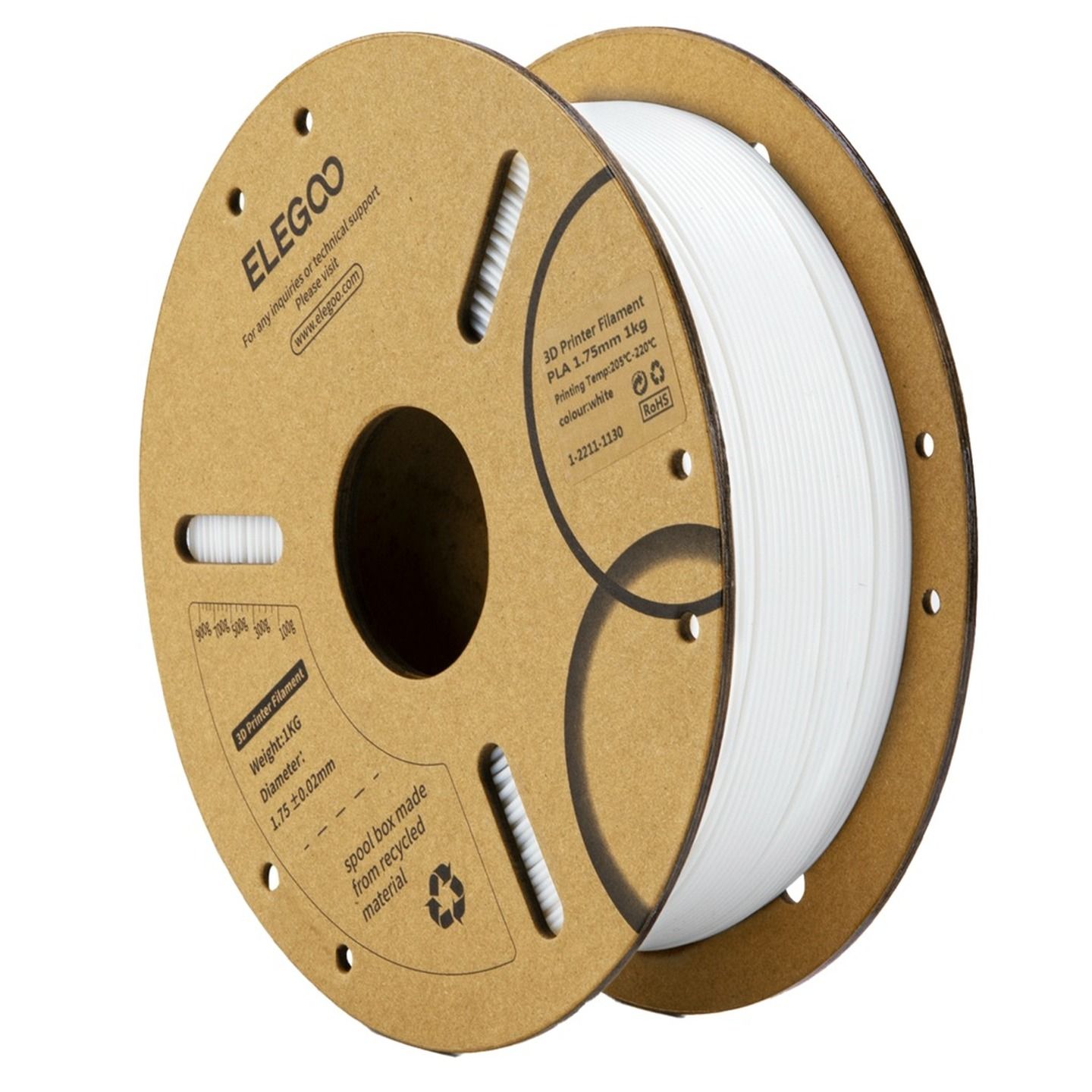
Available for delivery
No store selected
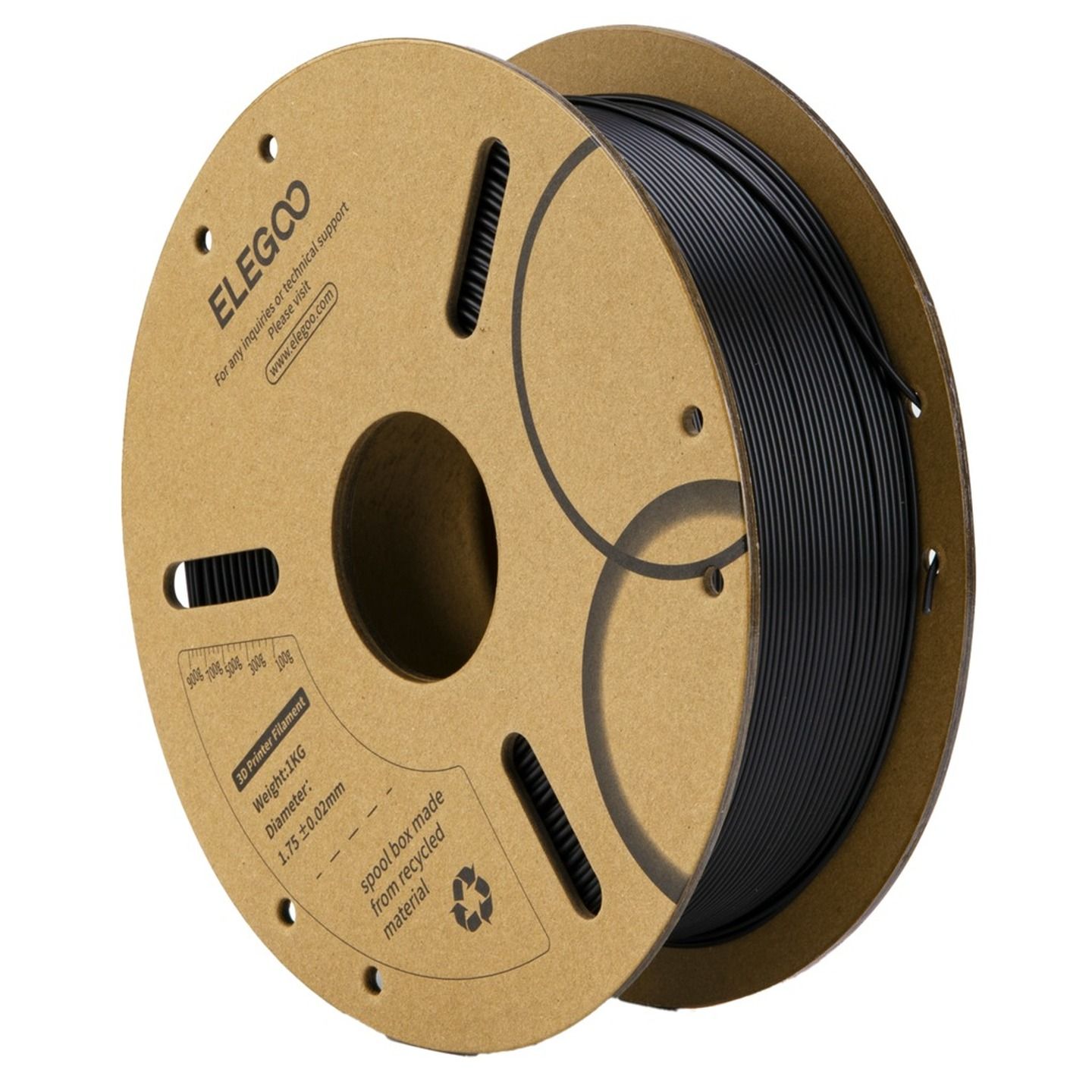
Available for delivery
No store selected
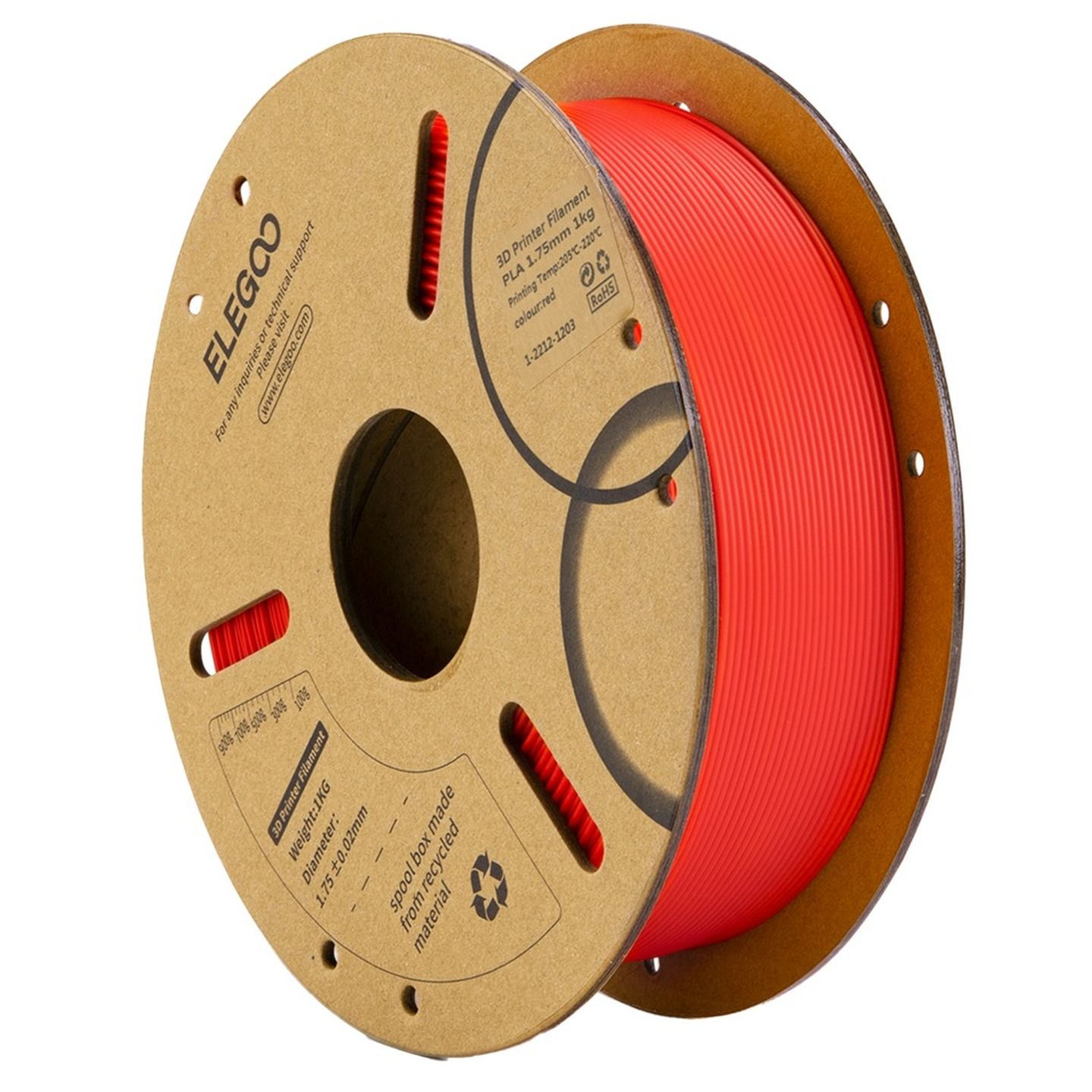
Available for delivery
No store selected
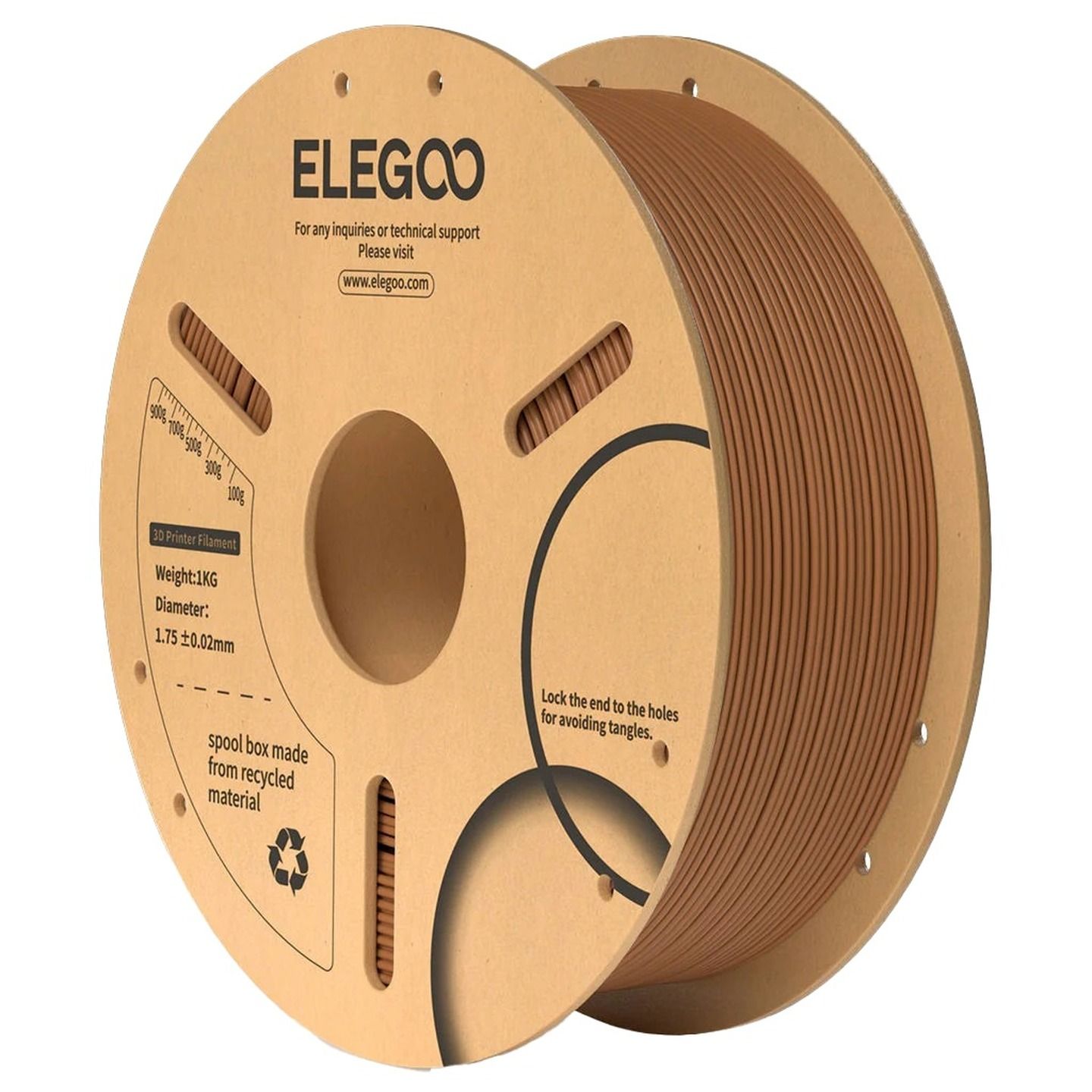
Available for delivery
No store selected
Available for delivery
No store selected
Available for delivery
No store selected
Available for delivery
No store selected
Available for delivery
No store selected
Available for delivery
No store selected
Available for delivery
No store selected
Available for delivery
No store selected
Available for delivery
No store selected
Available for delivery
No store selected
Available for delivery
No store selected
Available for delivery
No store selected
Available for delivery
No store selected
Available for delivery
No store selected
Available for delivery
No store selected
Available for delivery
No store selected
Available for delivery
No store selected
Available for delivery
No store selected
Available for delivery
No store selected
Available for delivery
No store selected
Available for delivery
No store selected
PLA Filament at Jaycar | Start Your 3D Printing Journey Here
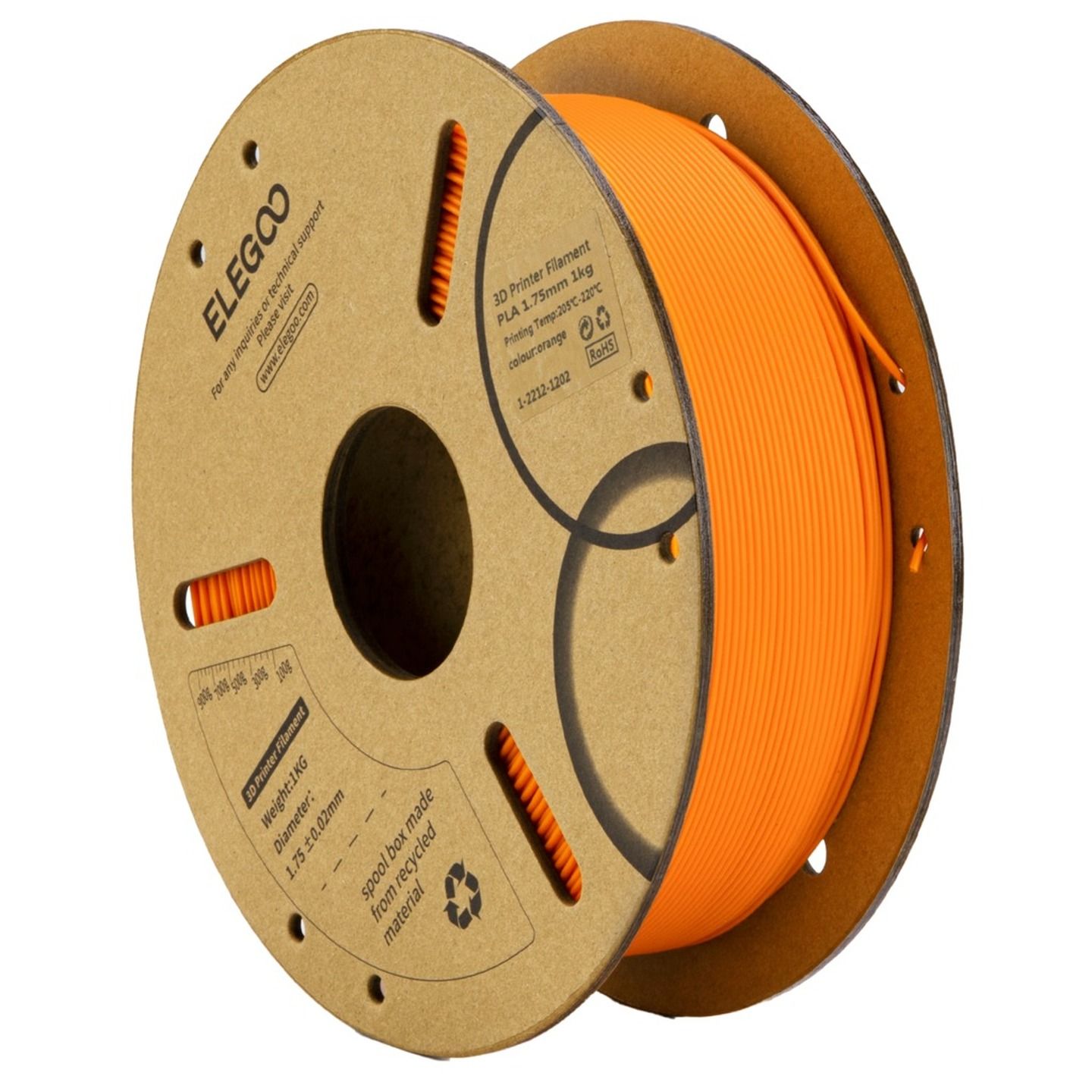
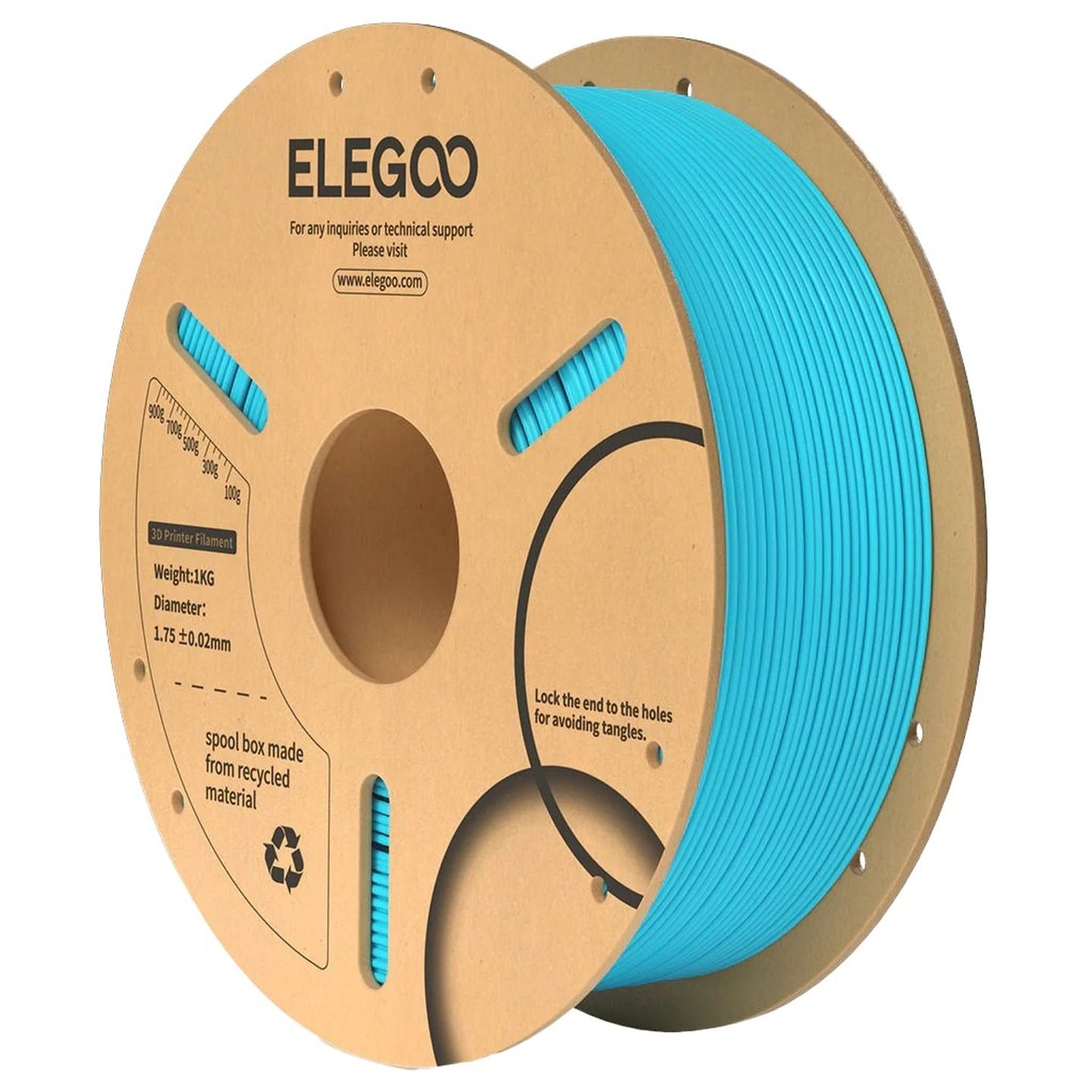
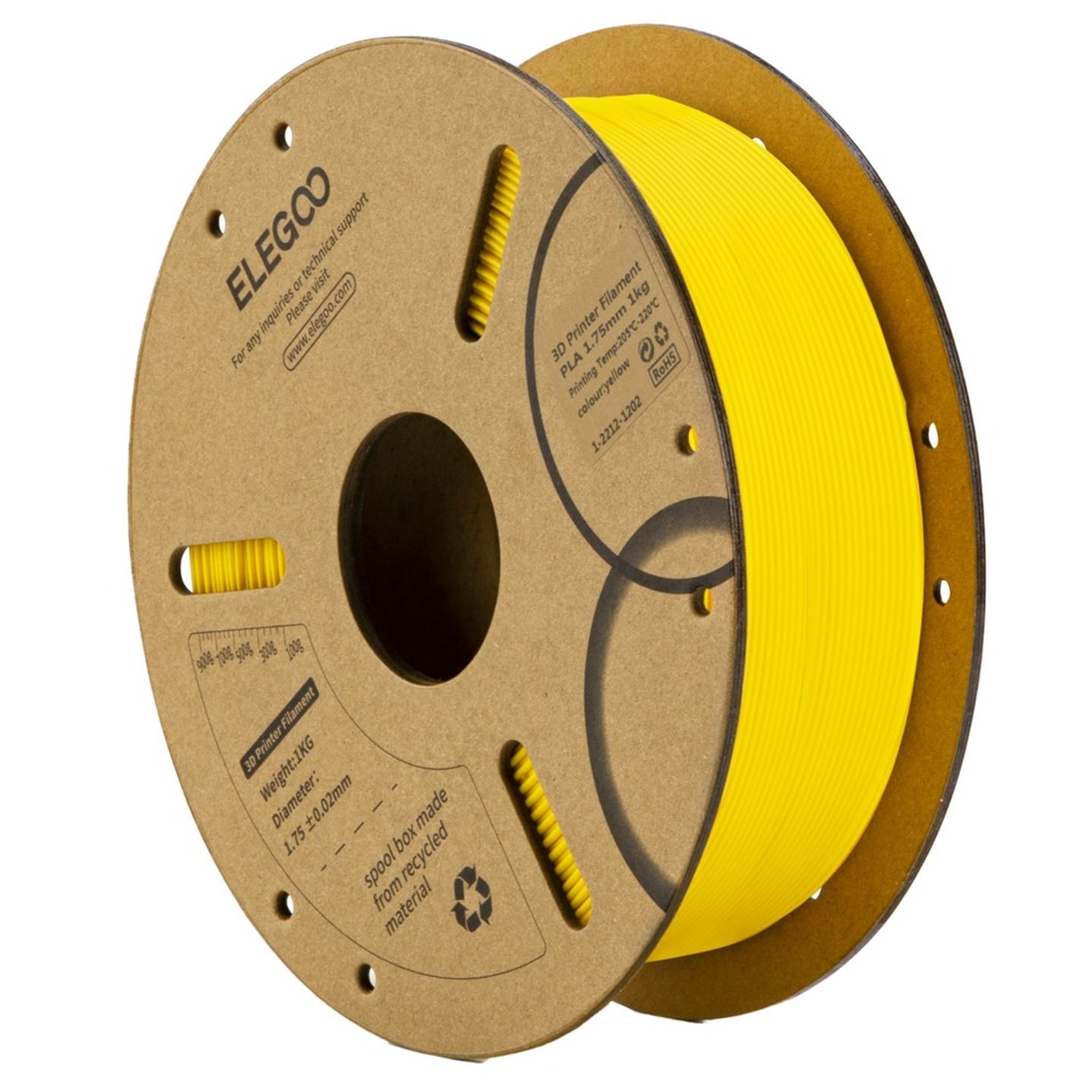
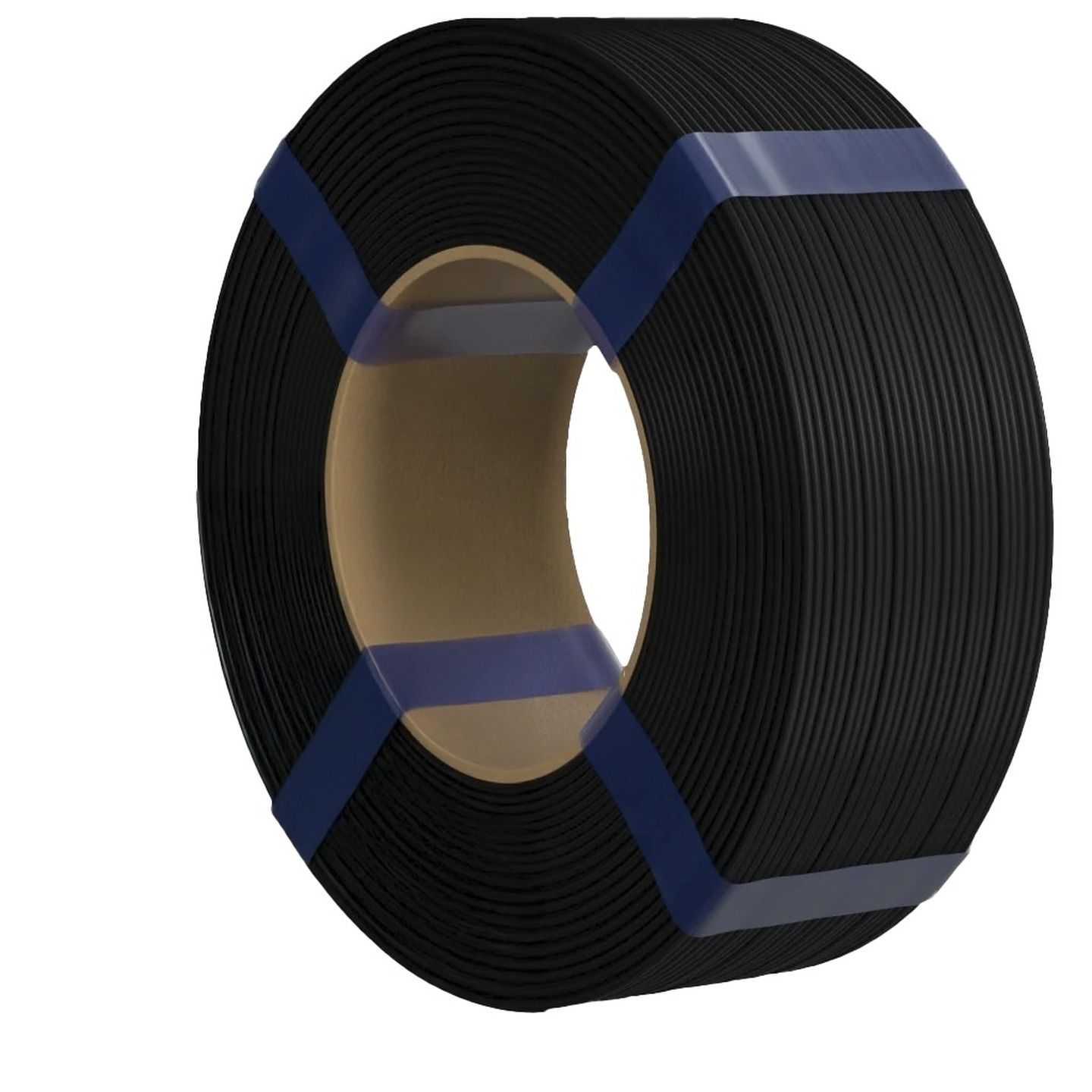
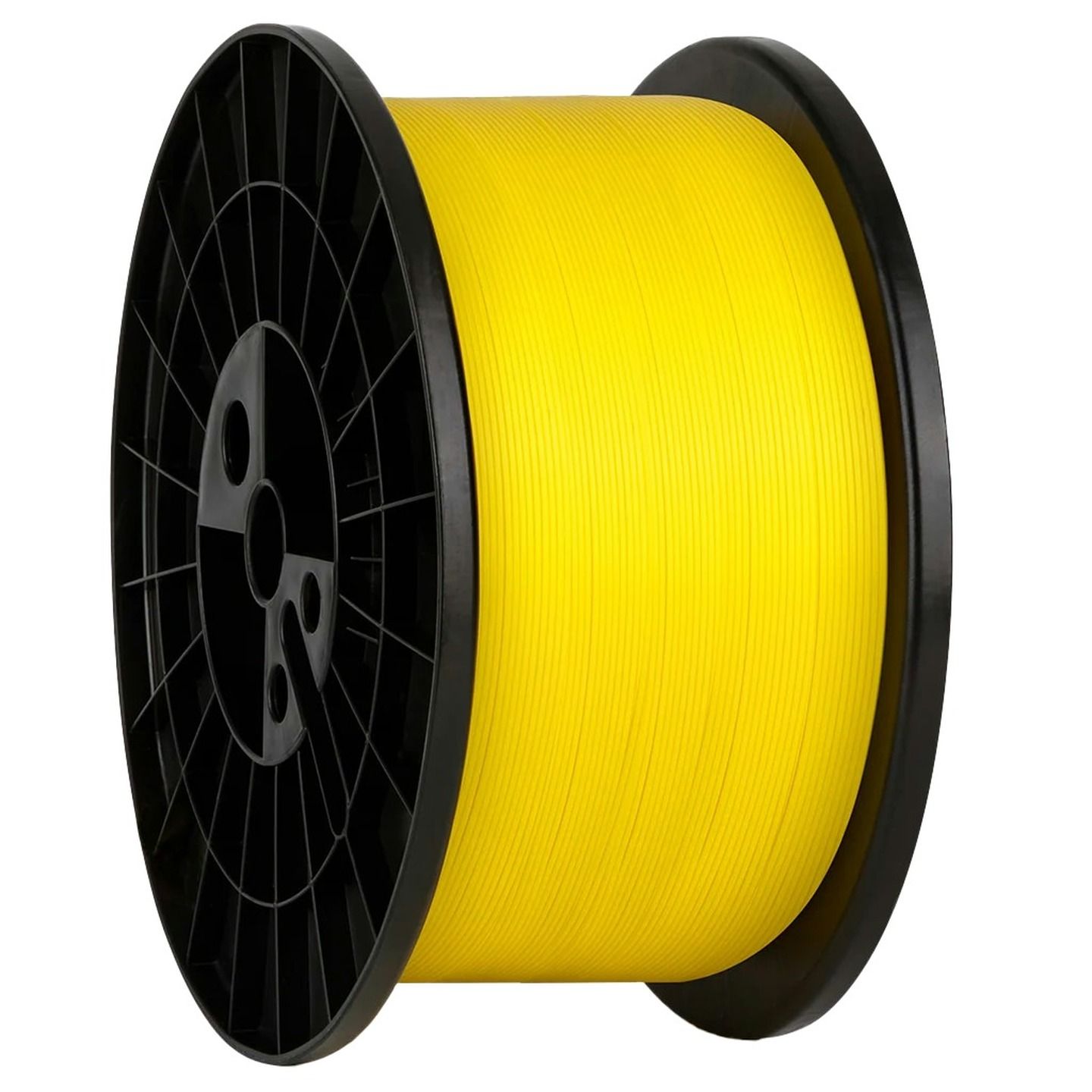
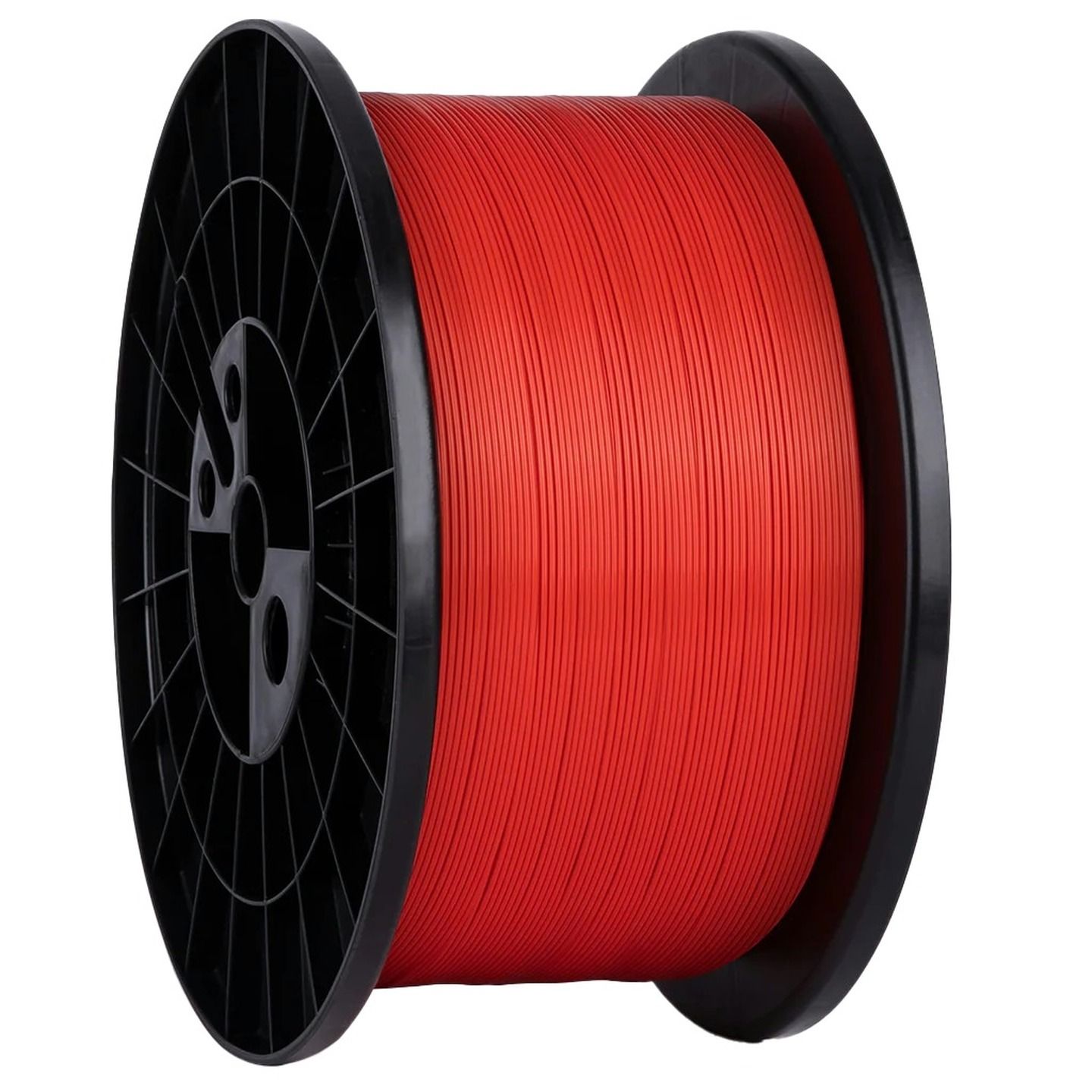
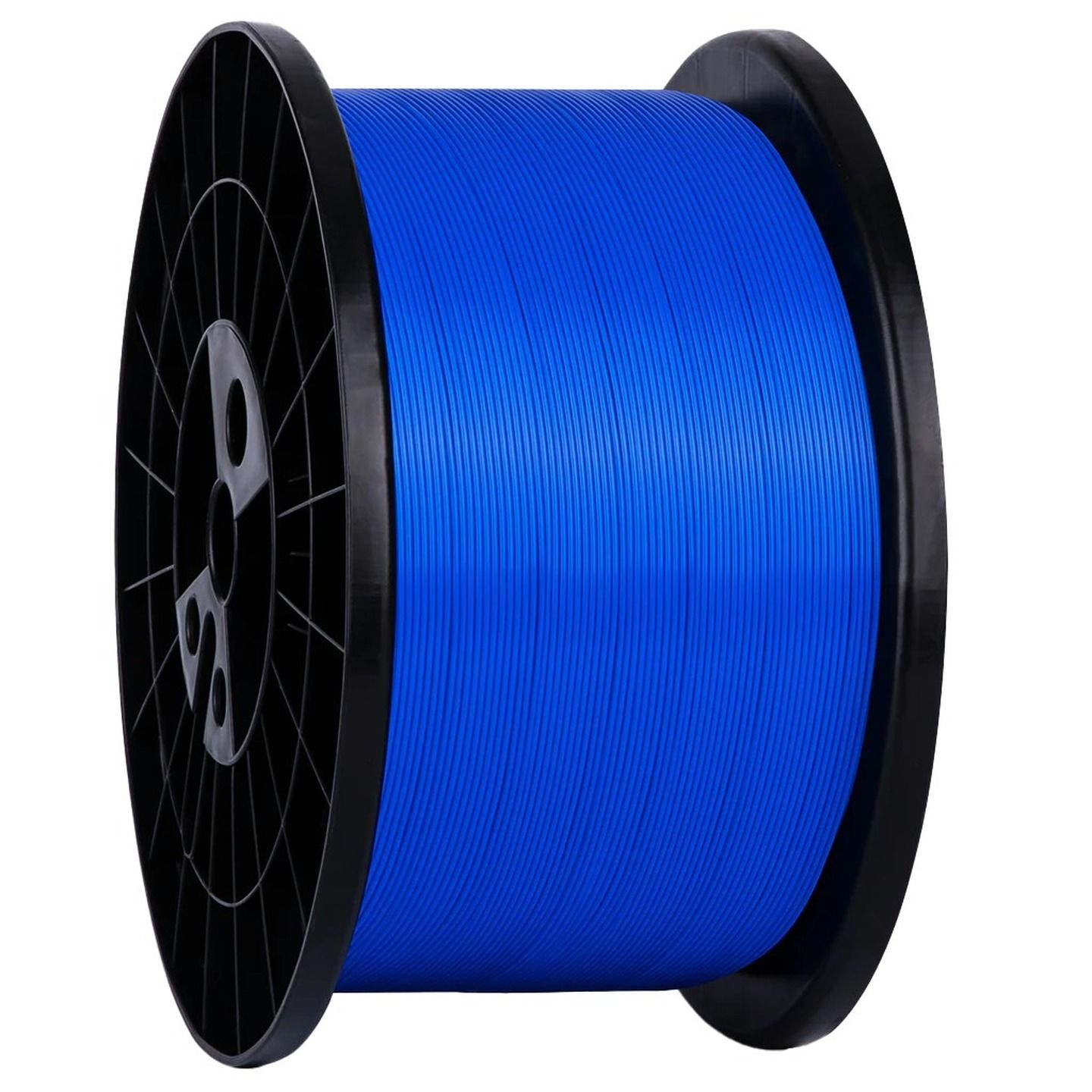
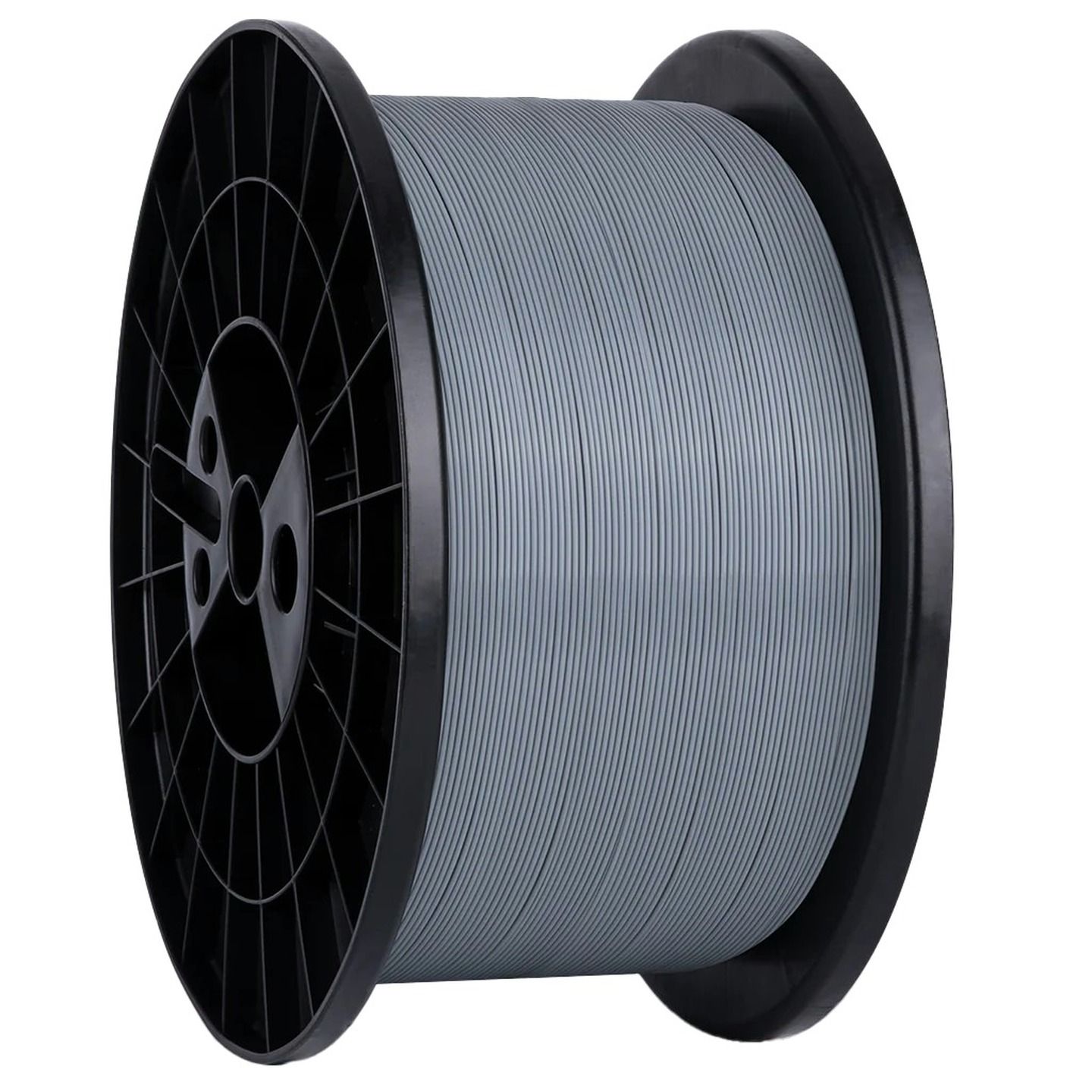
If you're new to FDM (Fused Deposition Modelling) 3D printers, PLA is where you begin. It's forgiving, consistent, and gives you the best chance of actually finishing your first print without pulling your hair out. It is a fantastic 3D printing filament for beginners and experts alike. When we started out, PLA was the filament we used to dial in our printers, and honestly, it's still what we reach for when we just want something to work.
What is PLA Filament?
PLA (Polylactic Acid) is a biodegradable filament derived from renewable resources like cornstarch and sugarcane. That's a nice bonus, but the real reason it dominates beginner shelves is practical: it prints at lower temperatures, sticks to the bed reliably, has great layer adhesion and doesn't warp the way ABS does. You don't need an enclosure, you don't need a heated chamber, and it doesn't fill the room with fumes - you just get a great 3D print.
What is PLA Filament Good For?
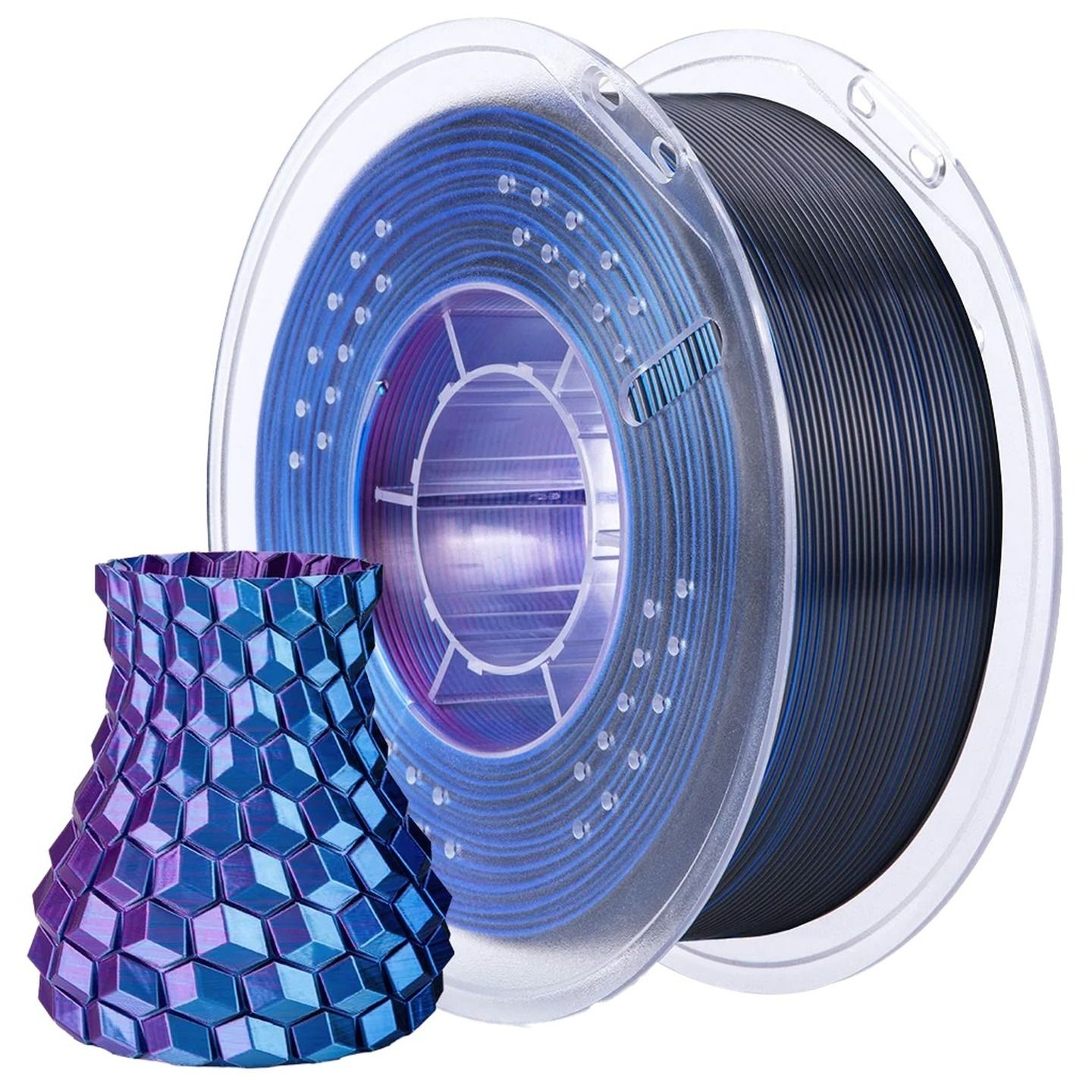
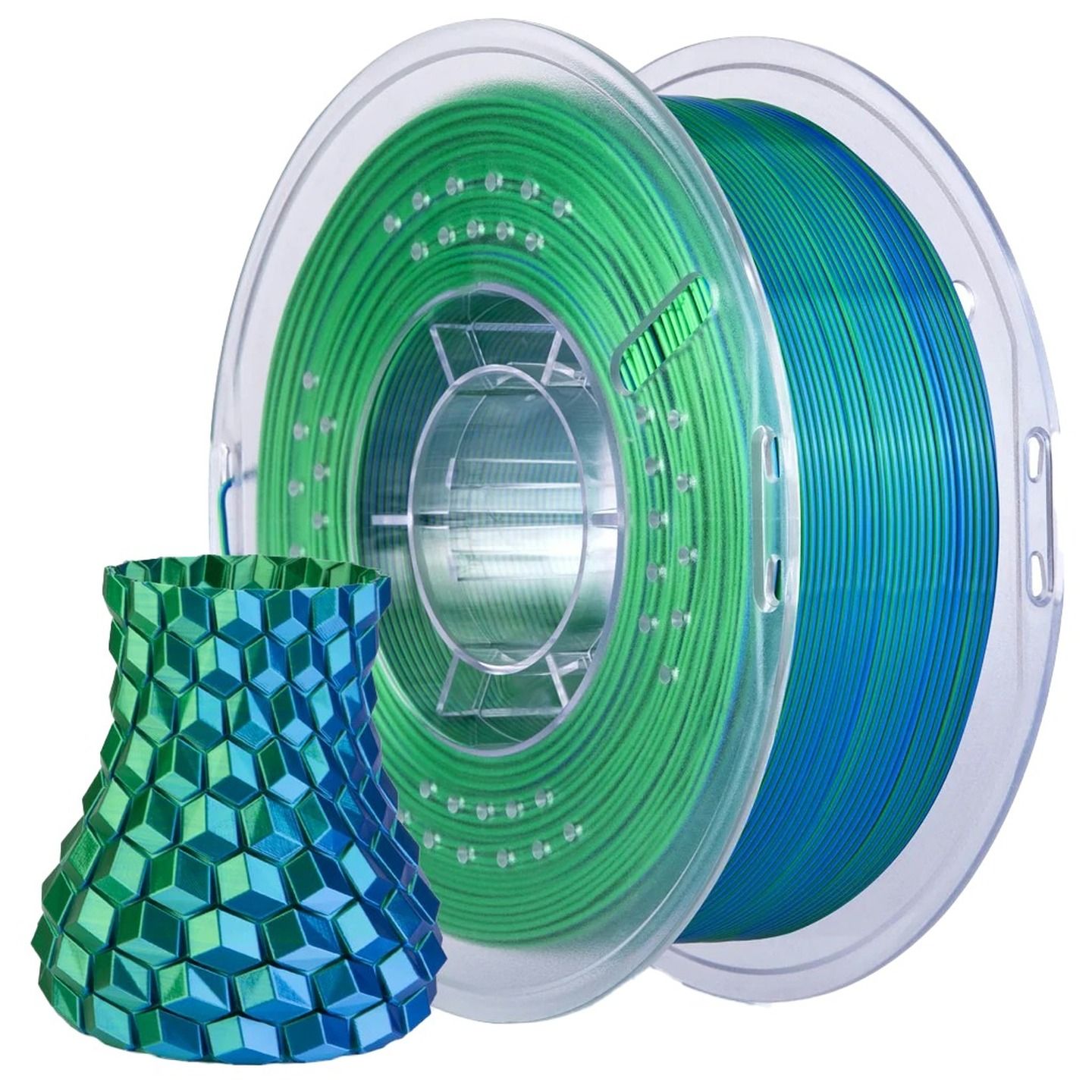
PLA is the go-to for prototypes, display models, decorative pieces, and anything that lives indoors. Silk PLA variants look impressive but are generally less structurally strong than standard PLA, so stick with Basic PLA where rigidity matters. PLA produces clean, detailed prints with a smooth finish and fantastic print quality - great for figurines, household items, educational models, parts that need dimensional accuracy and early-stage product prototypes where you just need to see the form. PLA has a great 'touch' or 'feel' and is considered a very strong filament when not under a sustained load.
Where it falls short is heat and UV. Leave a PLA print on your car dashboard on a warm day and you'll come back to a puddle. It starts to soften around 50°C, so it's not suited for anything that needs to hold its shape under load or heat. For those applications, you'll want to look at PETG or ASA.
Tips for Printing with PLA
One thing that catches people off guard: PLA absorbs moisture from the air. If your filament has been sitting open for a while and you're getting bubbles, stringing, or inconsistent extrusion, it's probably wet. A filament dryer solves this quickly - it's worth having one on hand before you start blaming your printer settings. Dry filament is the single most common fix for print quality problems.
Beyond that, PLA is low-maintenance. A standard build plate works well, though a light application of adhesive can help with bed adhesion on larger prints. Stick to the recommended temperature range for your specific filament brand - most PLA runs well between 190-220°C at the nozzle. In most cases, a heated bed is not required, but as your skills increase, so will the complexity of your prints. This is where a heated bed does prove itself.
Moving Beyond PLA
Once you've got a feel for your printer with PLA, the natural next step is PETG - more durable, more temperature stable, but a little less forgiving to print. After that, TPU opens up a whole new world of flexible, rubbery prints. Think of PLA as your foundation. Get it dialled in, then build from there.
Browse the full range of 3D printer filaments, 3D printers, accessories and printing supplies at Jaycar today.