

ABS Filament
Featured Products
Available for delivery
No store selected
Available for delivery
No store selected
Available for delivery
No store selected
Available for delivery
No store selected
Available for delivery
No store selected
Available for delivery
No store selected
Available for delivery
No store selected
Available for delivery
No store selected
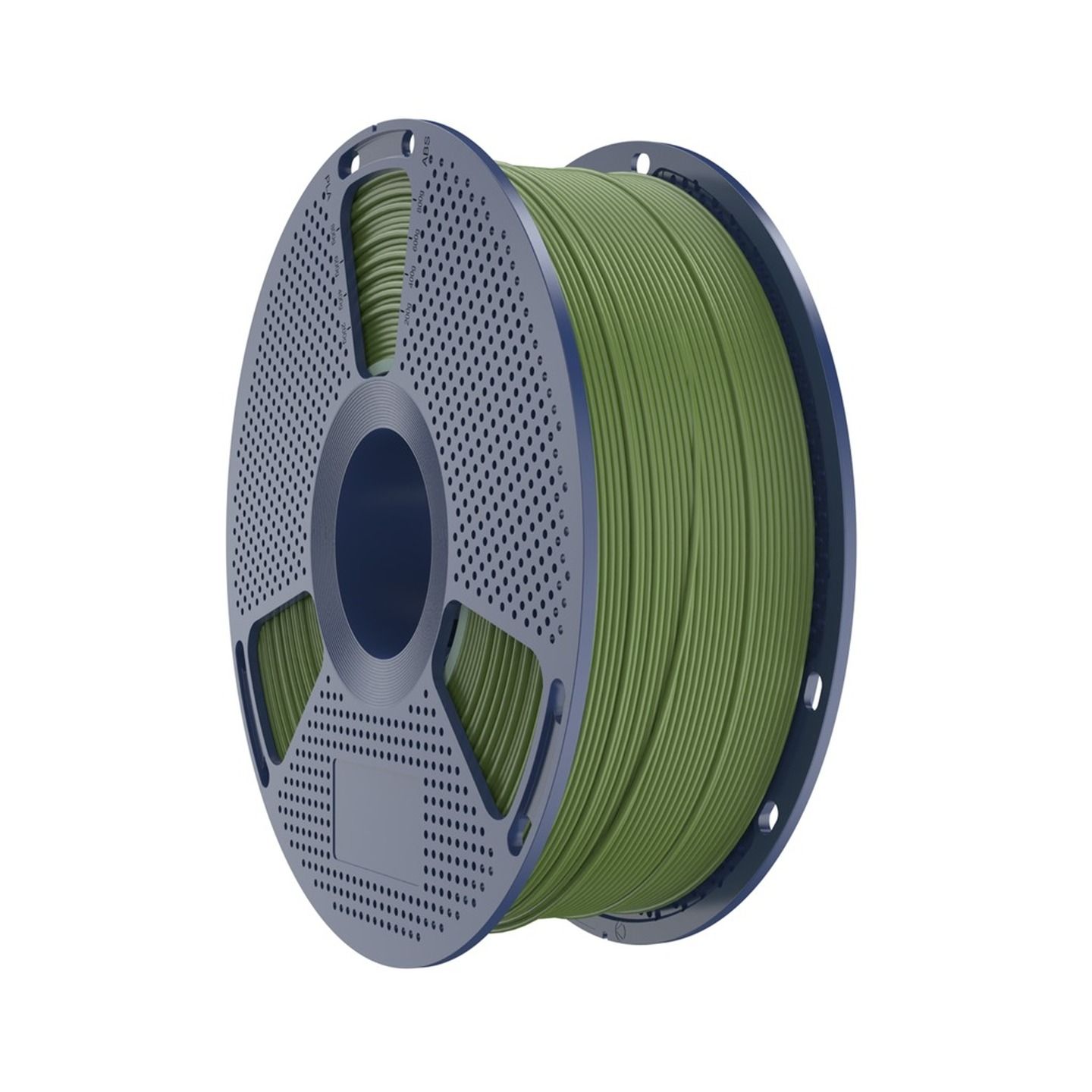
Available for delivery
No store selected
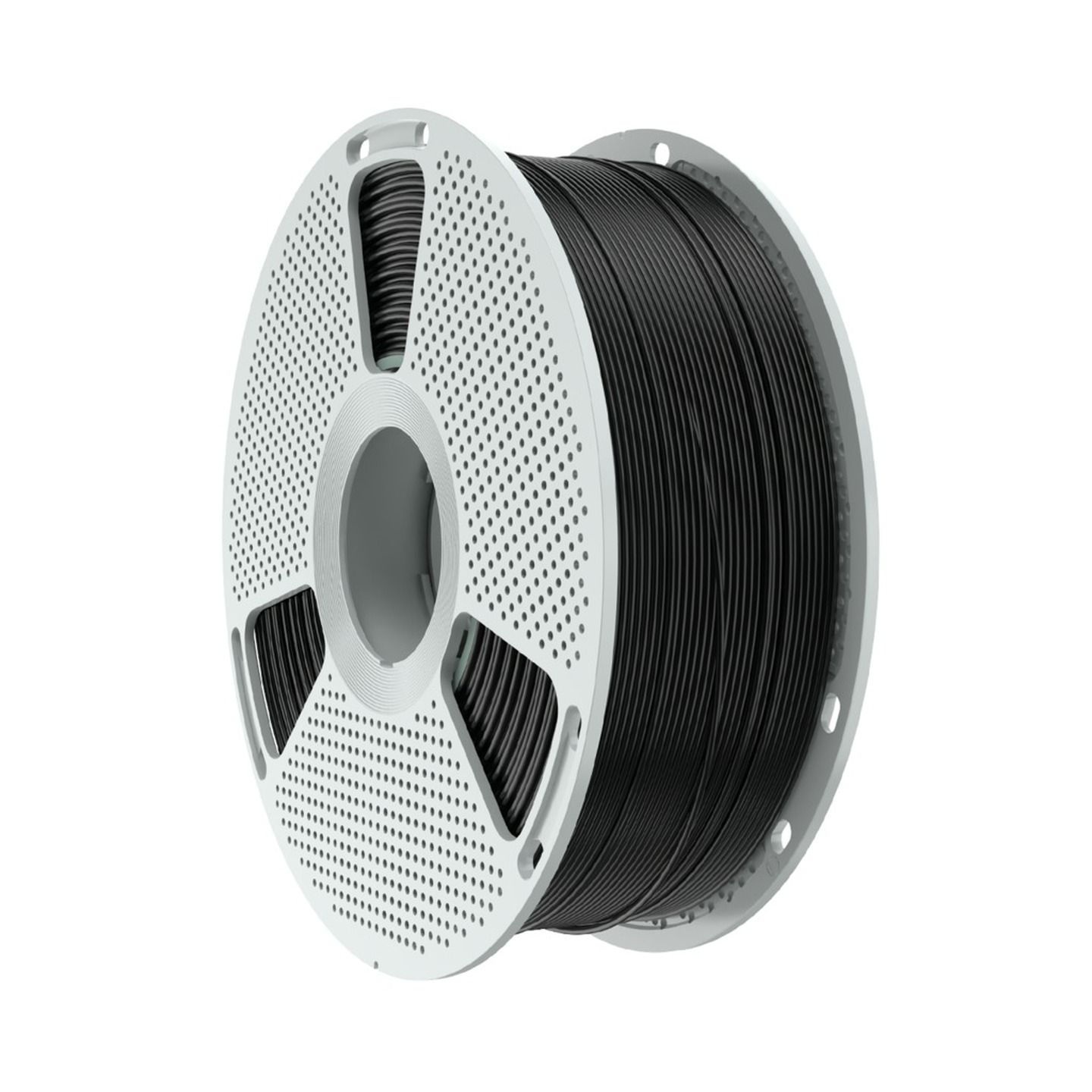
Available for delivery
No store selected
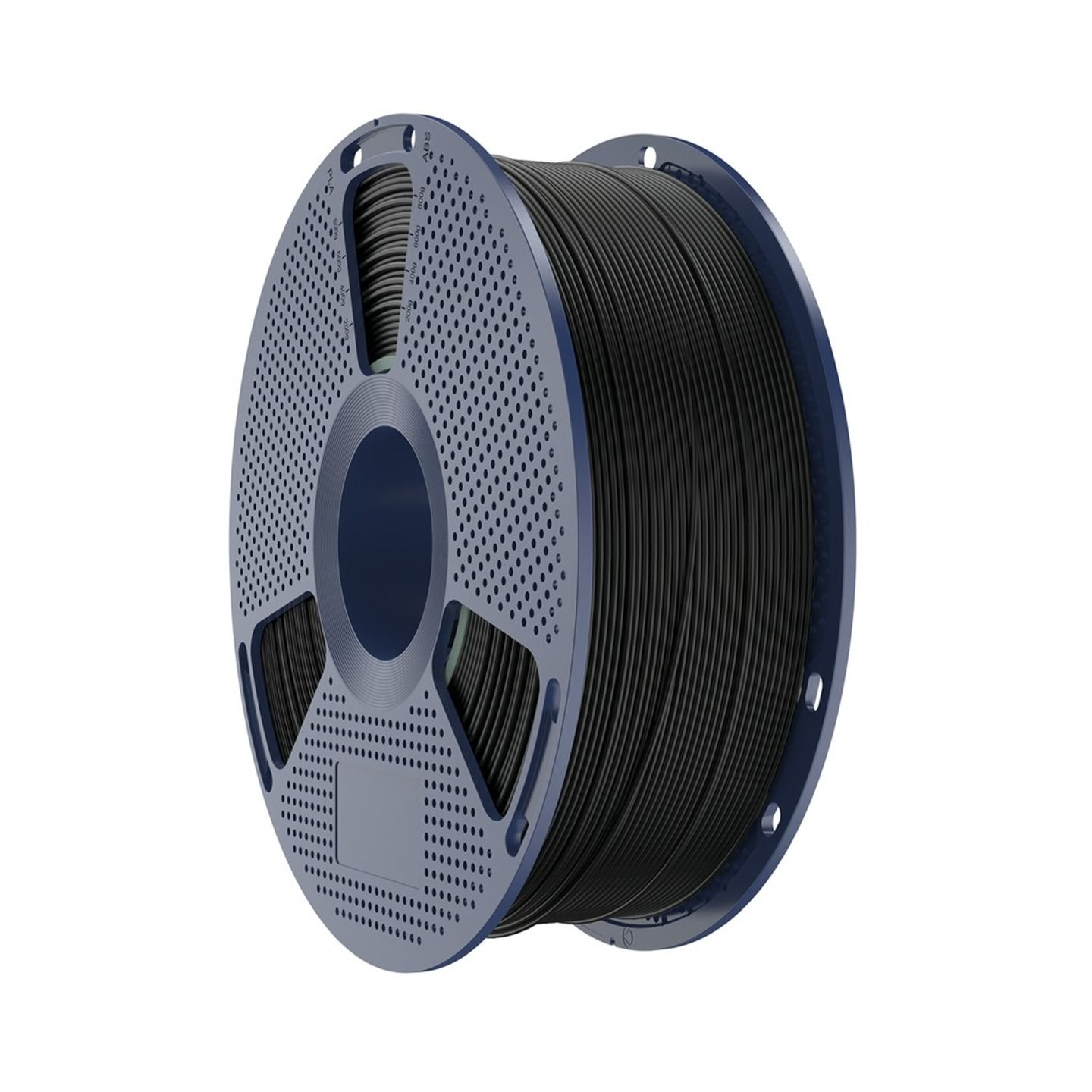
Available for delivery
No store selected
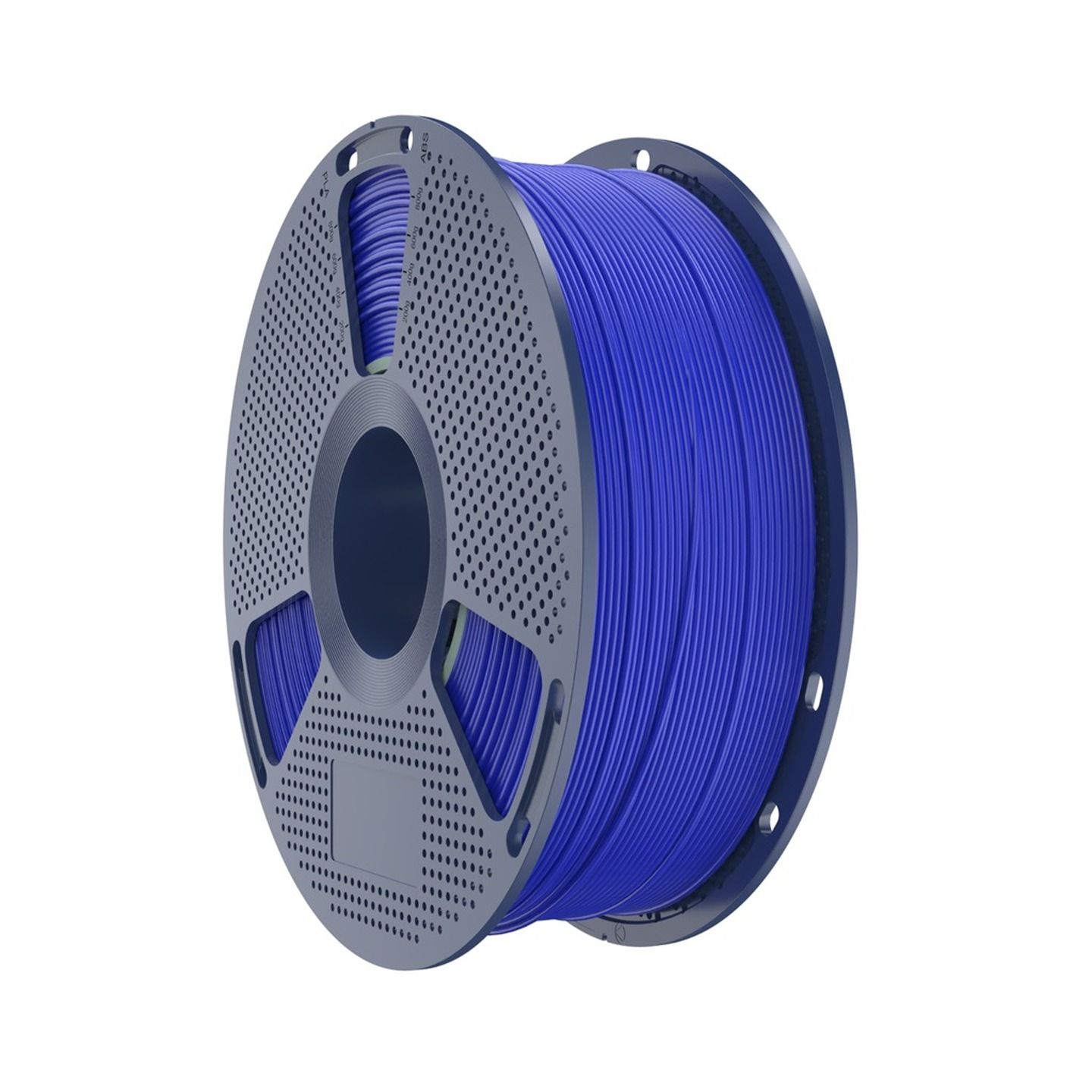
Available for delivery
No store selected
Available for delivery
No store selected
Available for delivery
No store selected
Available for delivery
No store selected
Available for delivery
No store selected
Available for delivery
No store selected
Limited stock for delivery
No store selected
ABS Filament: The 3D Printing Plastic You Know
ABS filament has been our go-to material for functional 3D printing since the technology went mainstream, and for good reason. If you need strong parts that can take a hit, handle real heat and UV exposure, or live inside something mechanical, ABS delivers where PLA falls short. Another bonus is that it is a low-cost material with more features than its price would suggest.
ABS is worth the extra setup: it flexes under impact rather than snapping, it holds structural integrity up to around 100°C, and it can be post-processed with acetone to produce a smooth, high-quality, near-injection-moulded finish. That combination of toughness, heat resistance, and machinability is why engineers with 3D printers still reach for ABS when the part actually needs to perform.
ABS does require more from your printer. ABS filament requires a heated bed running between 90 and 110°C - non-negotiable. An enclosure is close to essential on anything larger than a small bracket. Without one, the temperature differential between the part and the ambient air causes warping and layer separation. ABS plastic as a 3D printer filament also releases styrene fumes during printing, so ventilation or active carbon filtration is important.
How ABS Filament Stacks Up Against PLA and PETG
PLA is easier to print but brittle and heat-sensitive, deflecting around 55°C. PETG sits in the middle, slightly flexible with a ~75°C deflection point, but neither acetone-smoothable nor as impact-resistant as the ABS material.
If your parts are going somewhere warm, somewhere structural, or somewhere they might get knocked around, ABS is the right call. If they are going outside long-term, look at ASA instead, since ABS does not handle UV as well.
What ABS Filaments We Carry
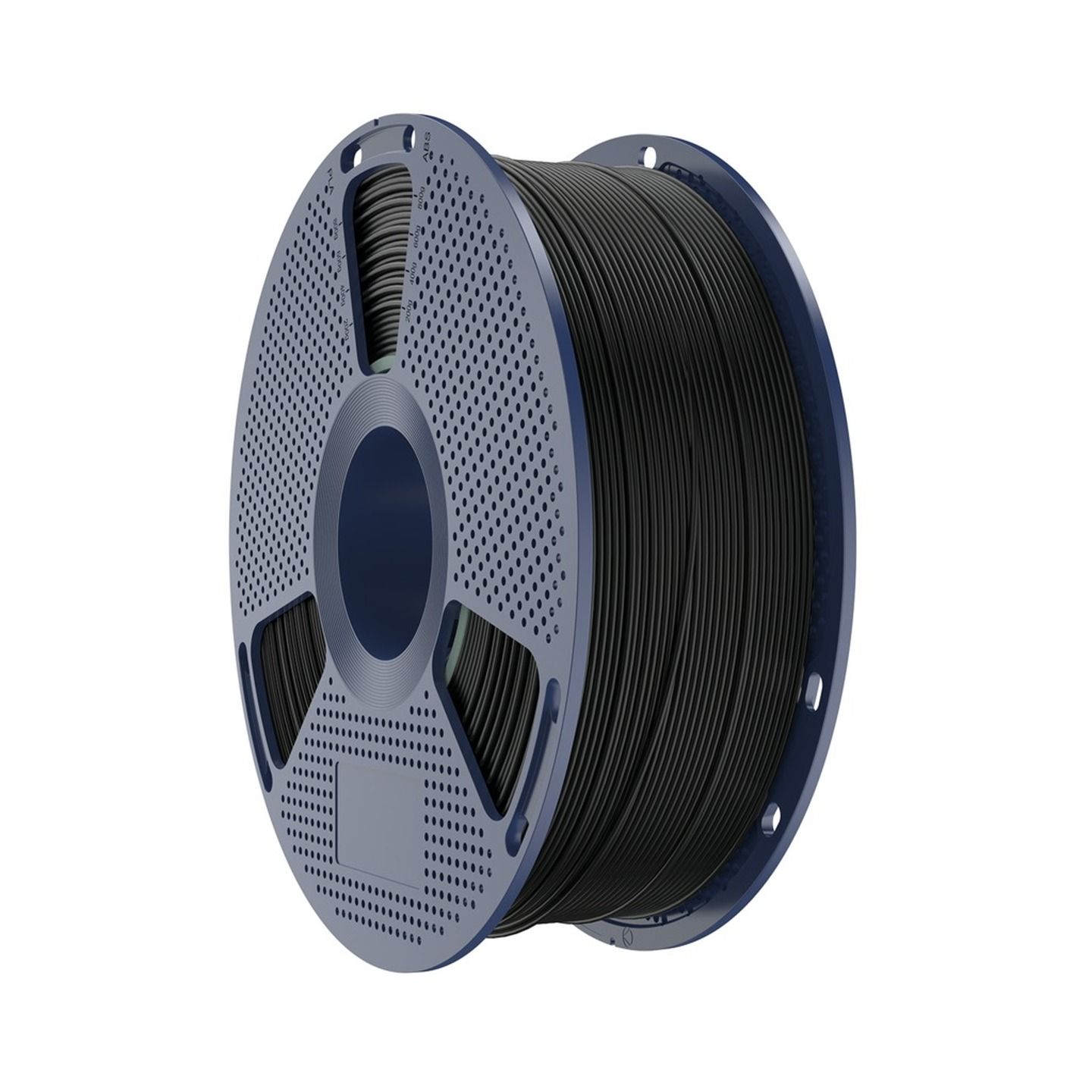
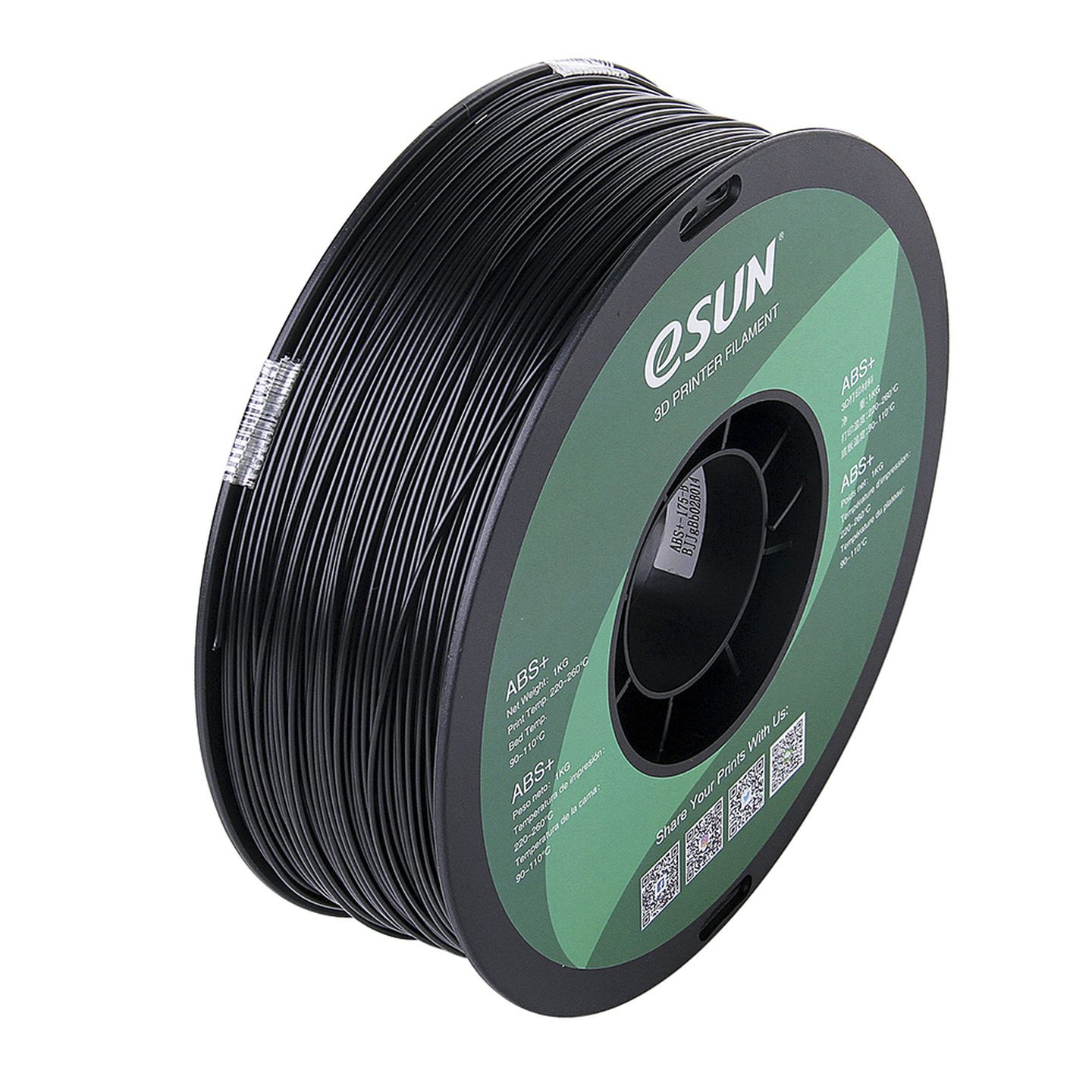
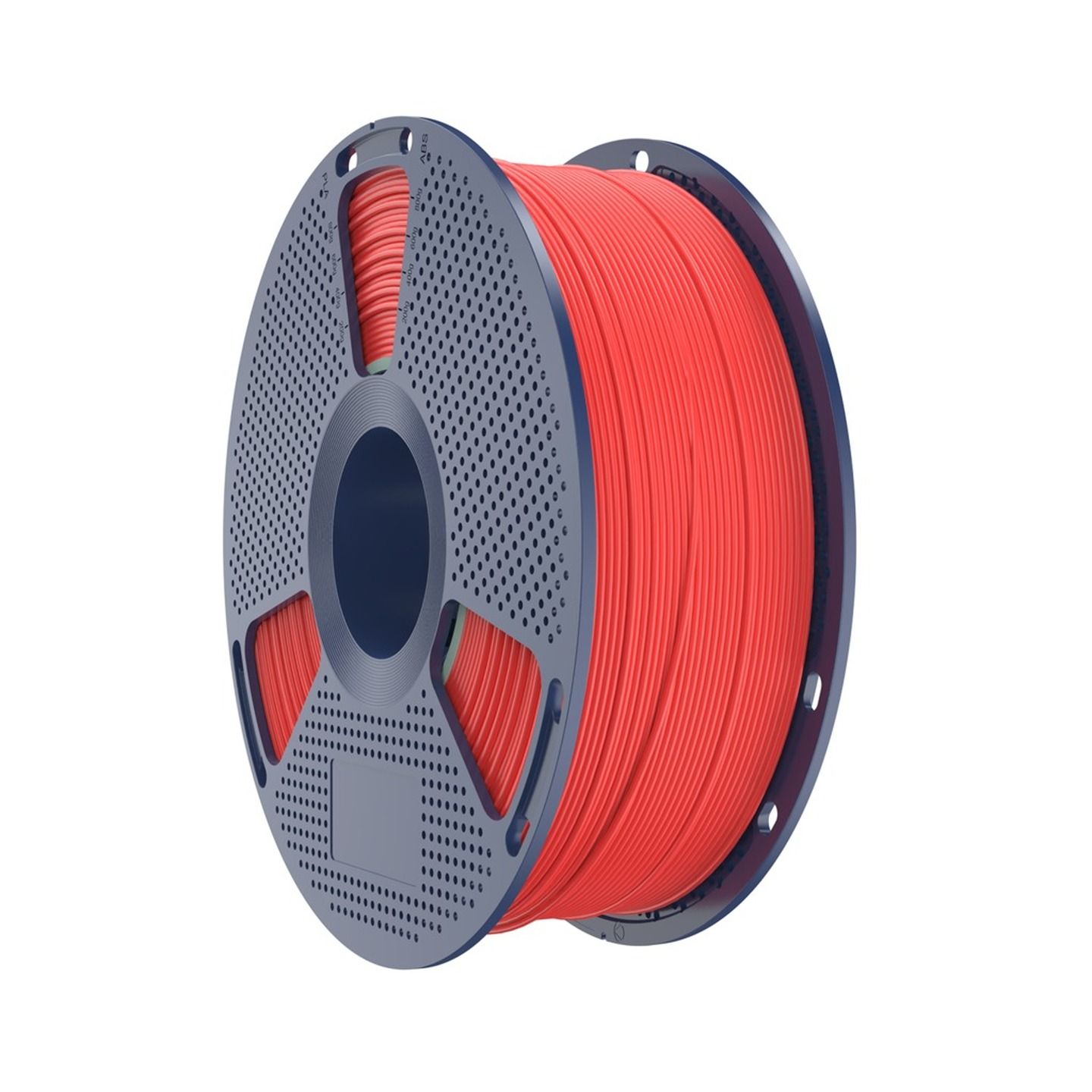
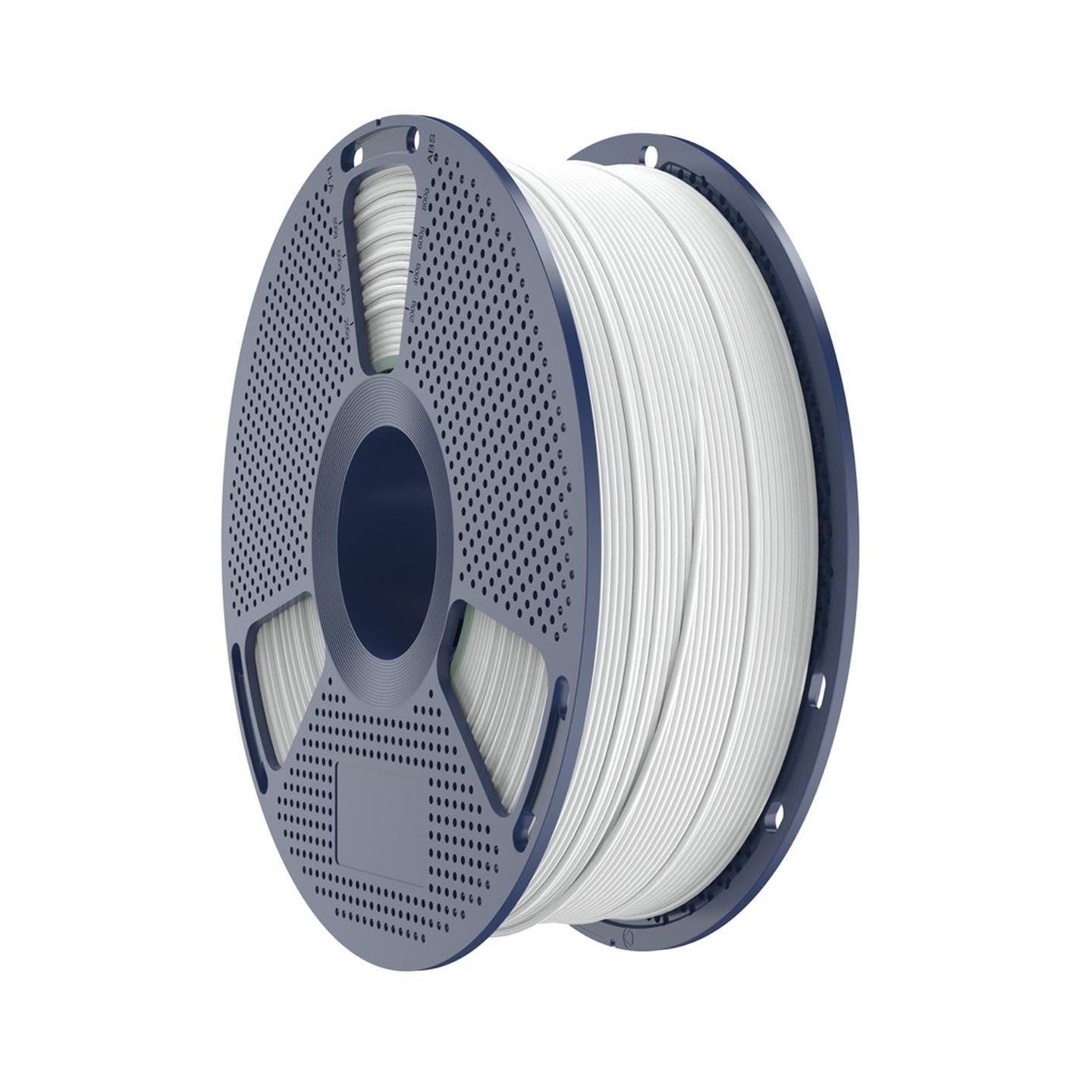
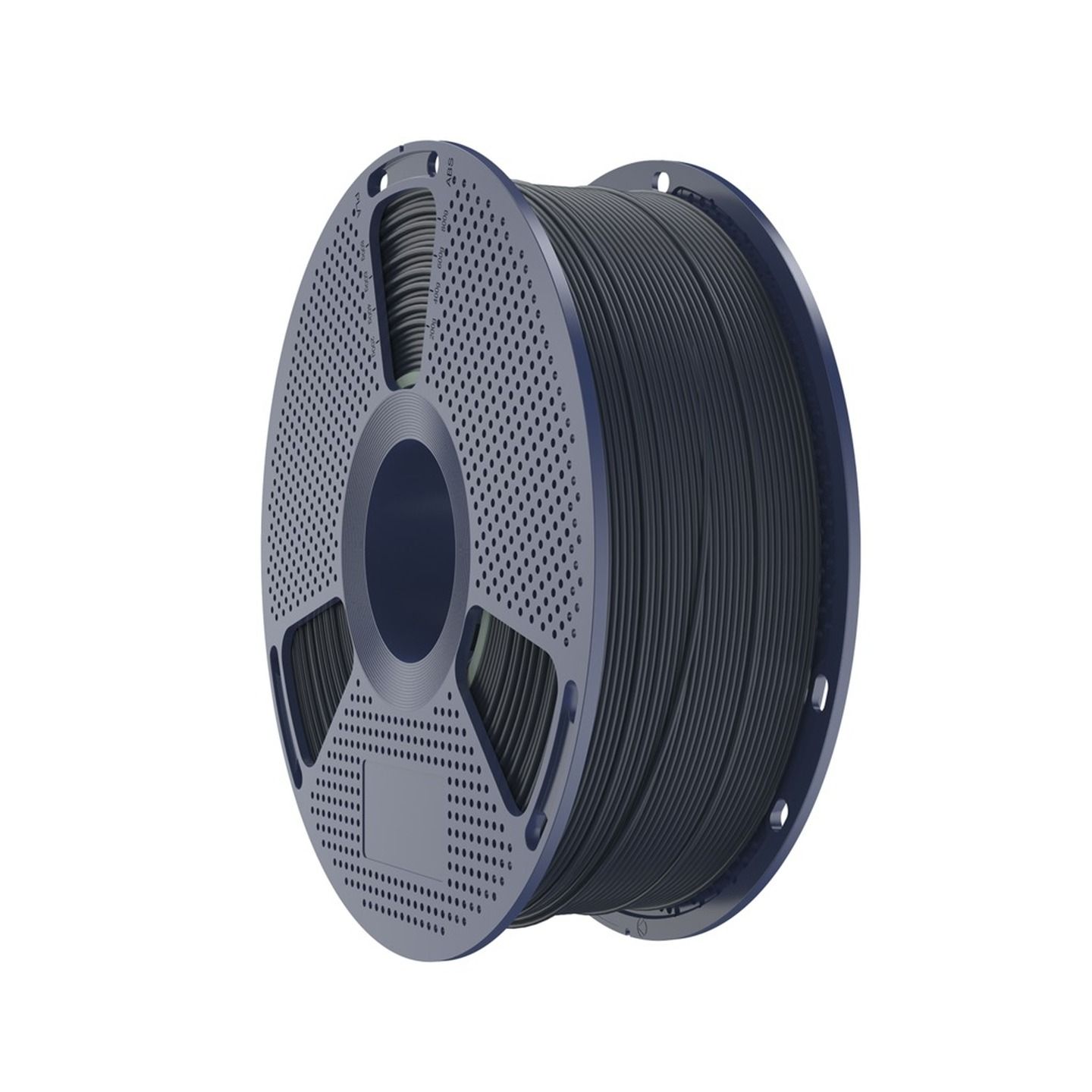
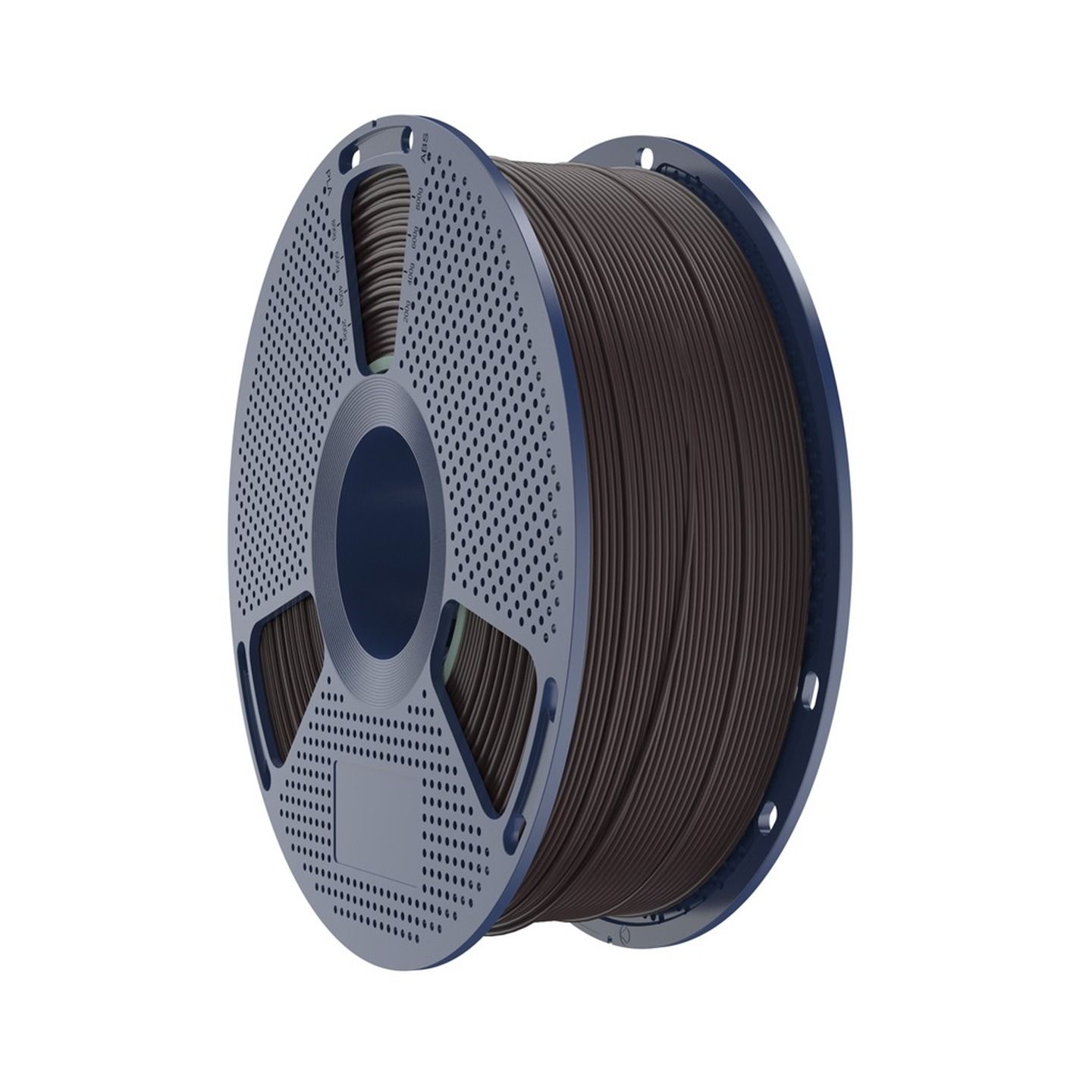
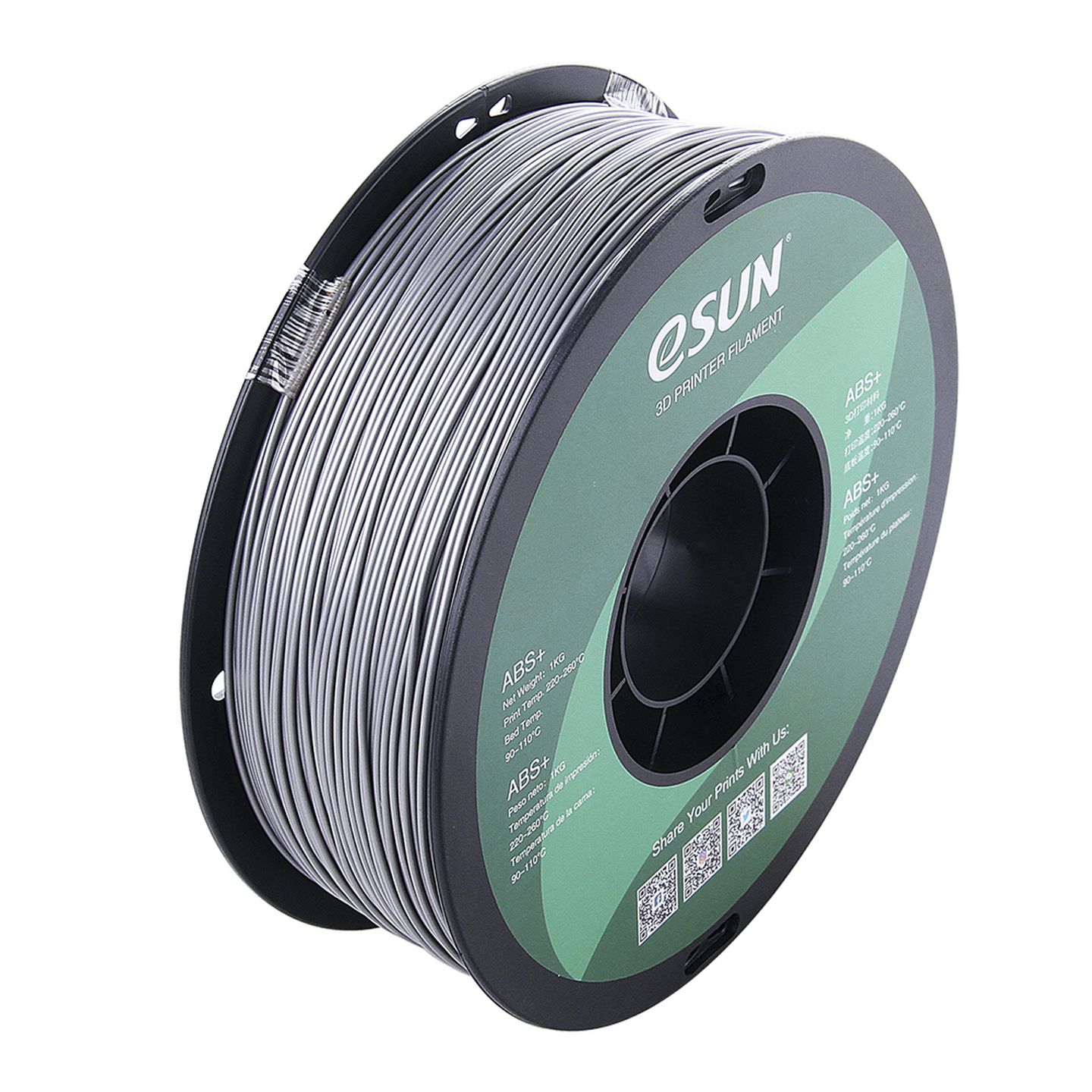
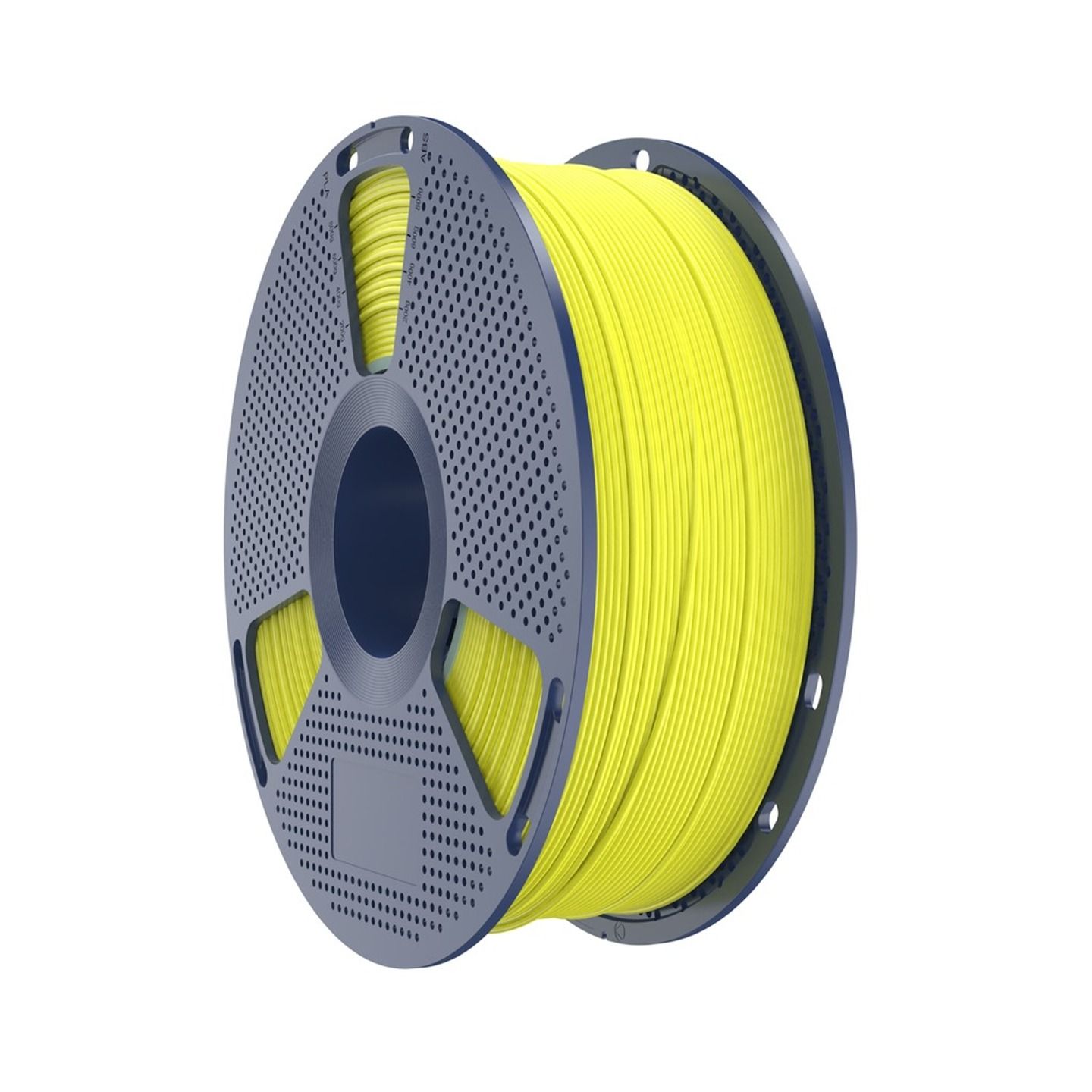
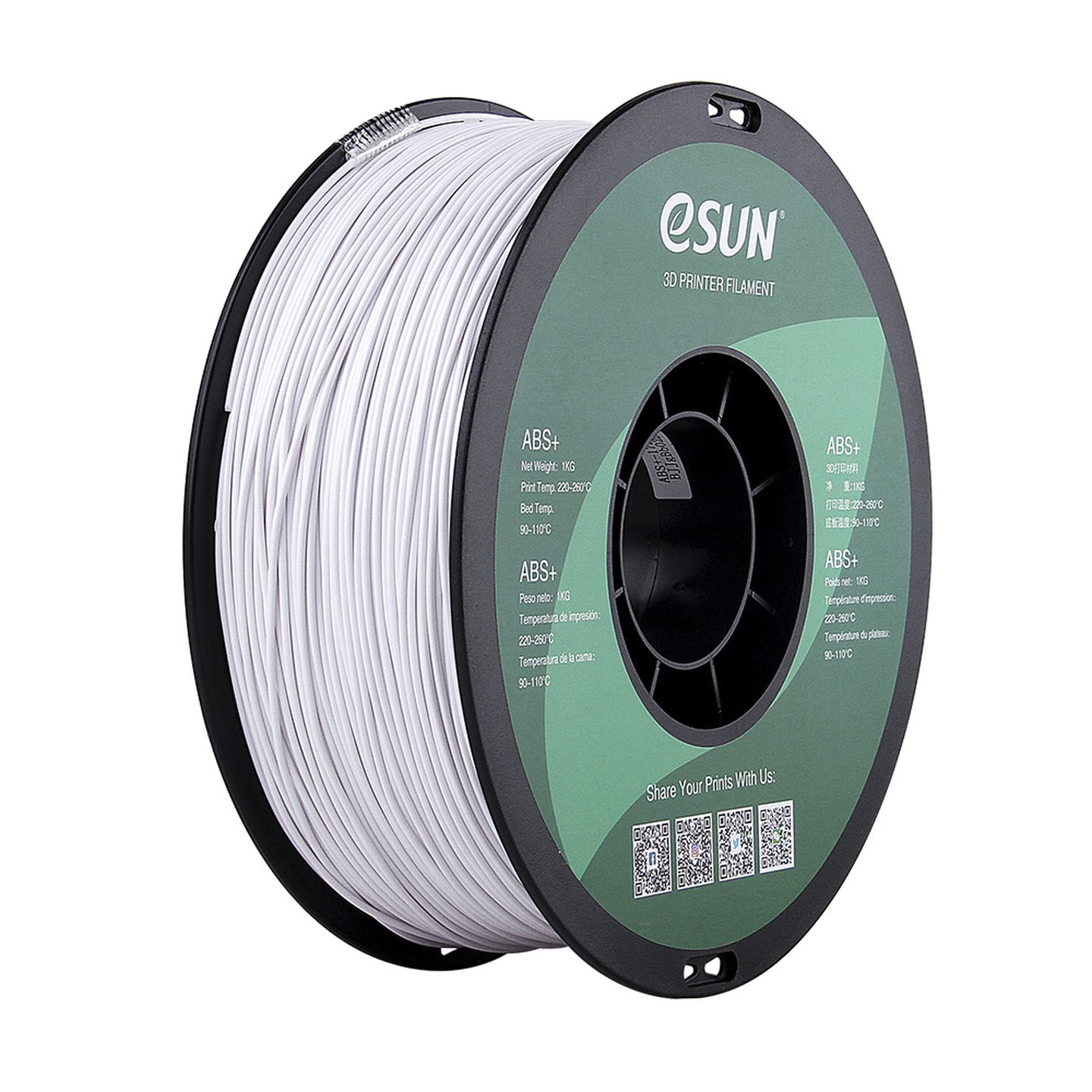
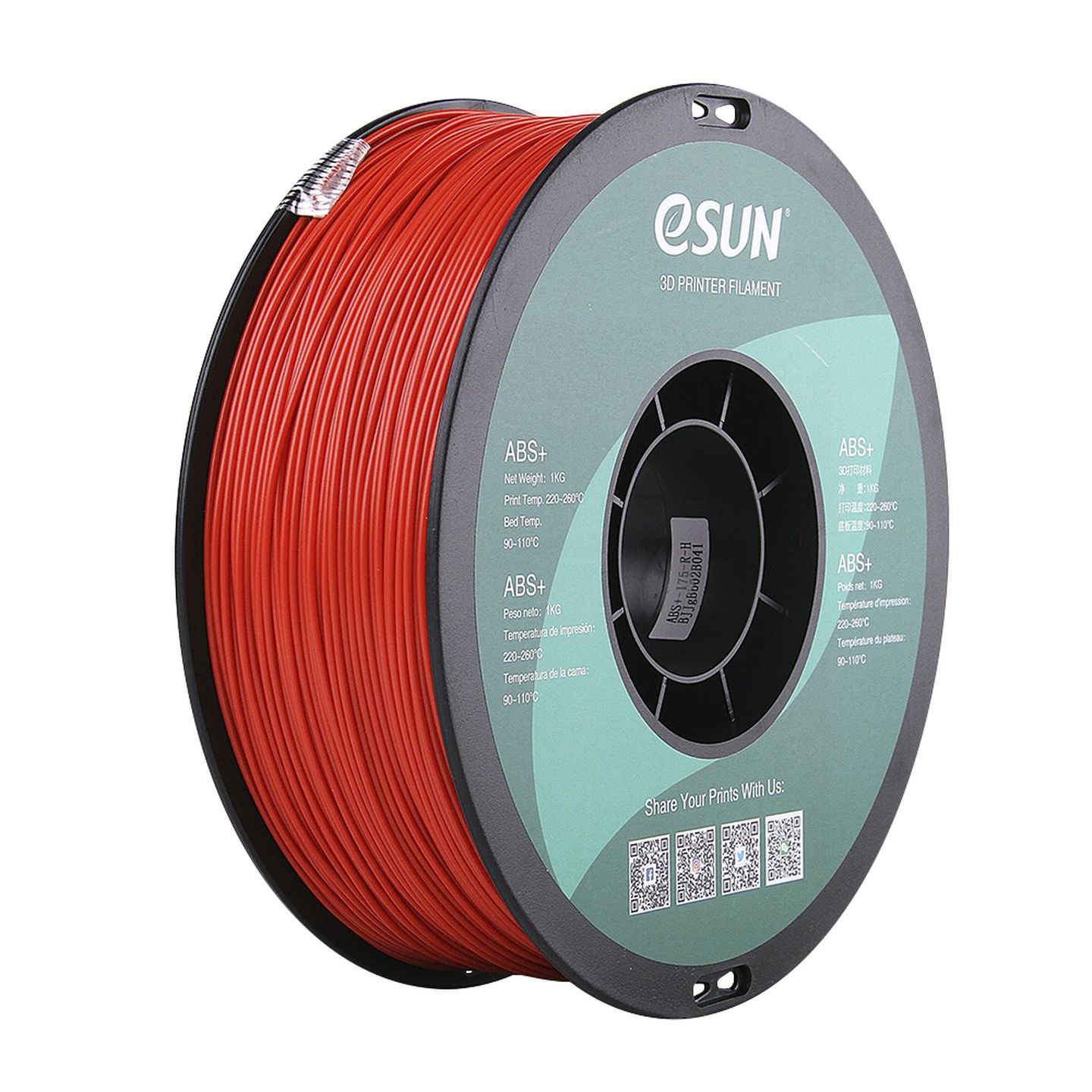
There are two formulations worth knowing about. The Sunlu High Speed ABS is tuned for modern CoreXY machines, supporting print speeds of 300-350mm/s without compromising interlayer bond strength. The eSUN ABS+ uses a modified monomer blend to significantly reduce warping and shrinkage compared to standard ABS, making it a better choice if you are printing larger parts or working without a fully enclosed printer.
Both are stocked in standard 1.75mm. If you are new to ABS, start with the eSUN ABS+ and get your bed adhesion dialled in before pushing speeds.
Another filament worth noting is the Sunlu ABS Flame Retardant. It costs slightly more and is worth considering for applications where flame retardancy is a requirement.