


When people hear “ethernet cable” or “network cable”, they usually think of plugging a computer into a modem or router to access the Internet. However, an ethernet lead does far more work behind the scenes than most people realise. It carries video, audio, control signals, power, and large amounts of data across homes, offices, workshops, and commercial buildings every day.
If you have ever looked at cable specifications and wondered “What is an ethernet cable and what is the difference between Cat5e, Cat6, or Cat6a?”, you are not alone. The differences are practical rather than theoretical, and they directly affect speed, distance, interference resistance, and how the ethernet wiring can be used.
Understanding Different Types of Network Cables
So, what are the different types of Network Cables available? Let’s look at the current standards, the latest gigabit ethernet cable options coming to market, and their specific uses.
Cat5e, or Category 5 enhanced, is still the most widely used Ethernet cable. It supports frequencies up to 100 MHz and data speeds of up to 1 Gbps over distances of up to 100 metres. For most homes and small offices, a 1Gb ethernet cable like this is more than sufficient for home internet connections, small office networks, IP security cameras, and PoE devices such as VoIP phones and wireless access points.
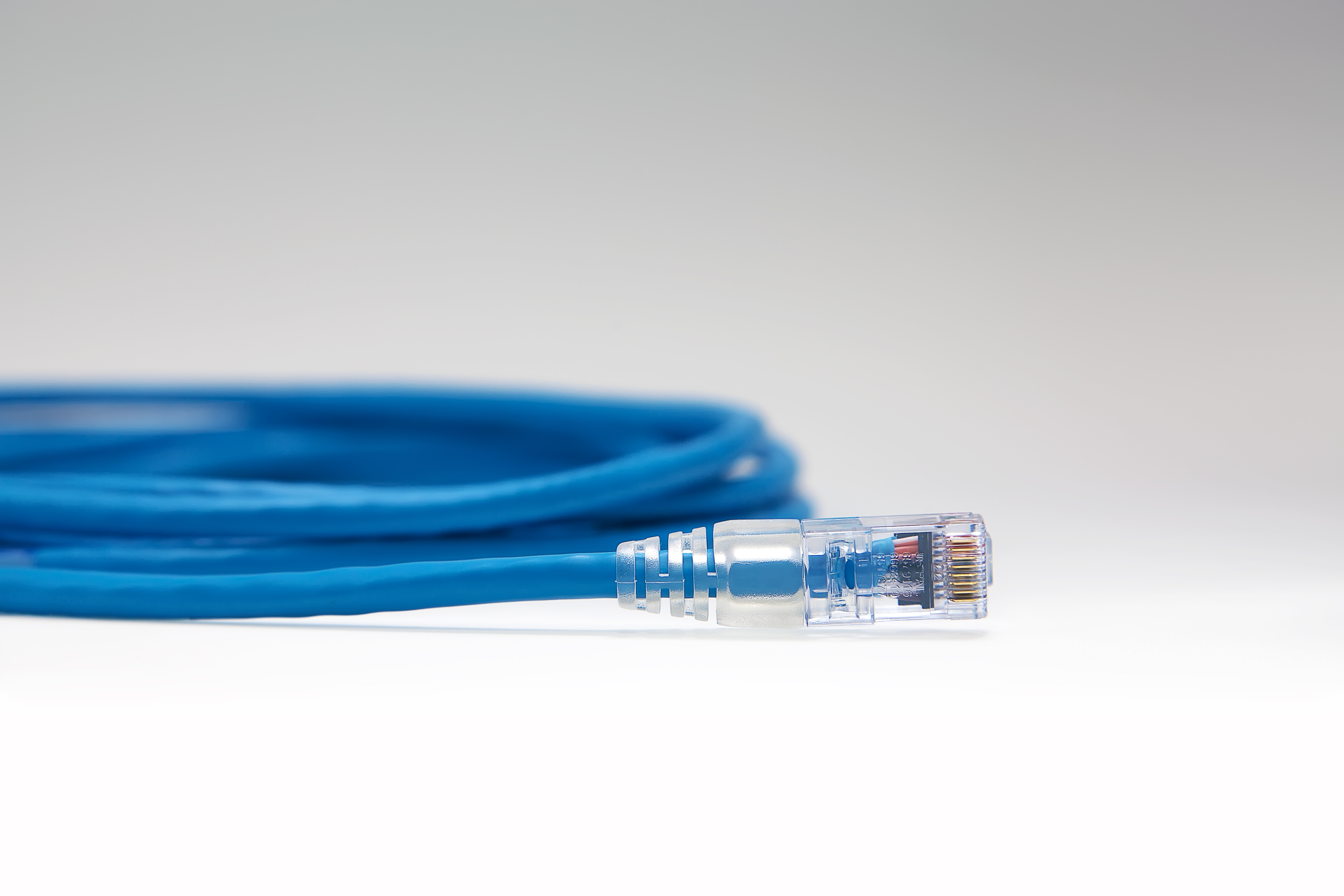
Cat6 builds on the previous standard by increasing bandwidth to 250 MHz. A Cat 6 ethernet cable supports 10 Gbps speeds, although only over shorter distances of around 55 metres. This is achieved through tighter twists and thicker conductors, which help reduce interference and crosstalk. Cat6 is often used for short, high-speed network runs, media extenders for HDMI or USB, and busier office environments where multiple devices are active at once.
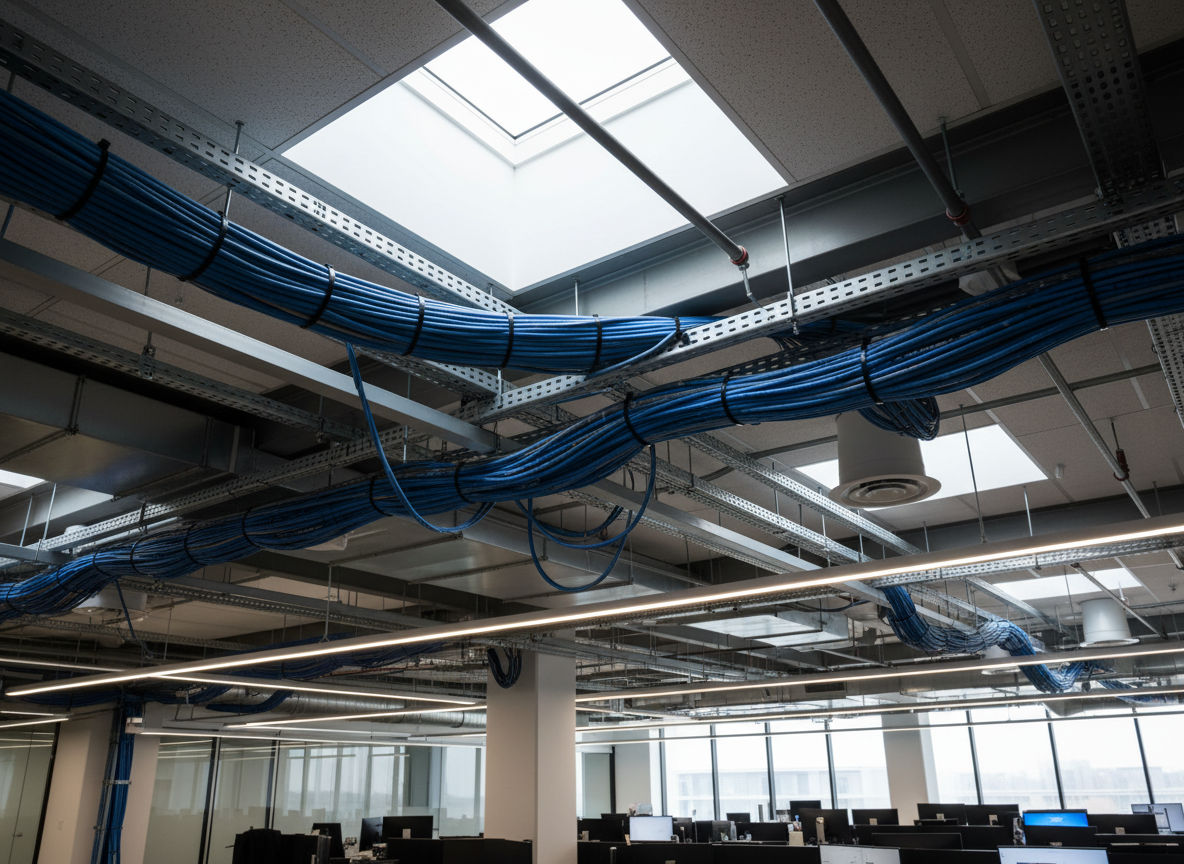
Cat6a, or Augmented Cat6, removes the distance limitation, supporting 10 Gbps over the full 100 metres with bandwidth up to 500 MHz. Cat6a cabling is often shielded, making it the common choice for commercial buildings, server rooms, and communications racks.
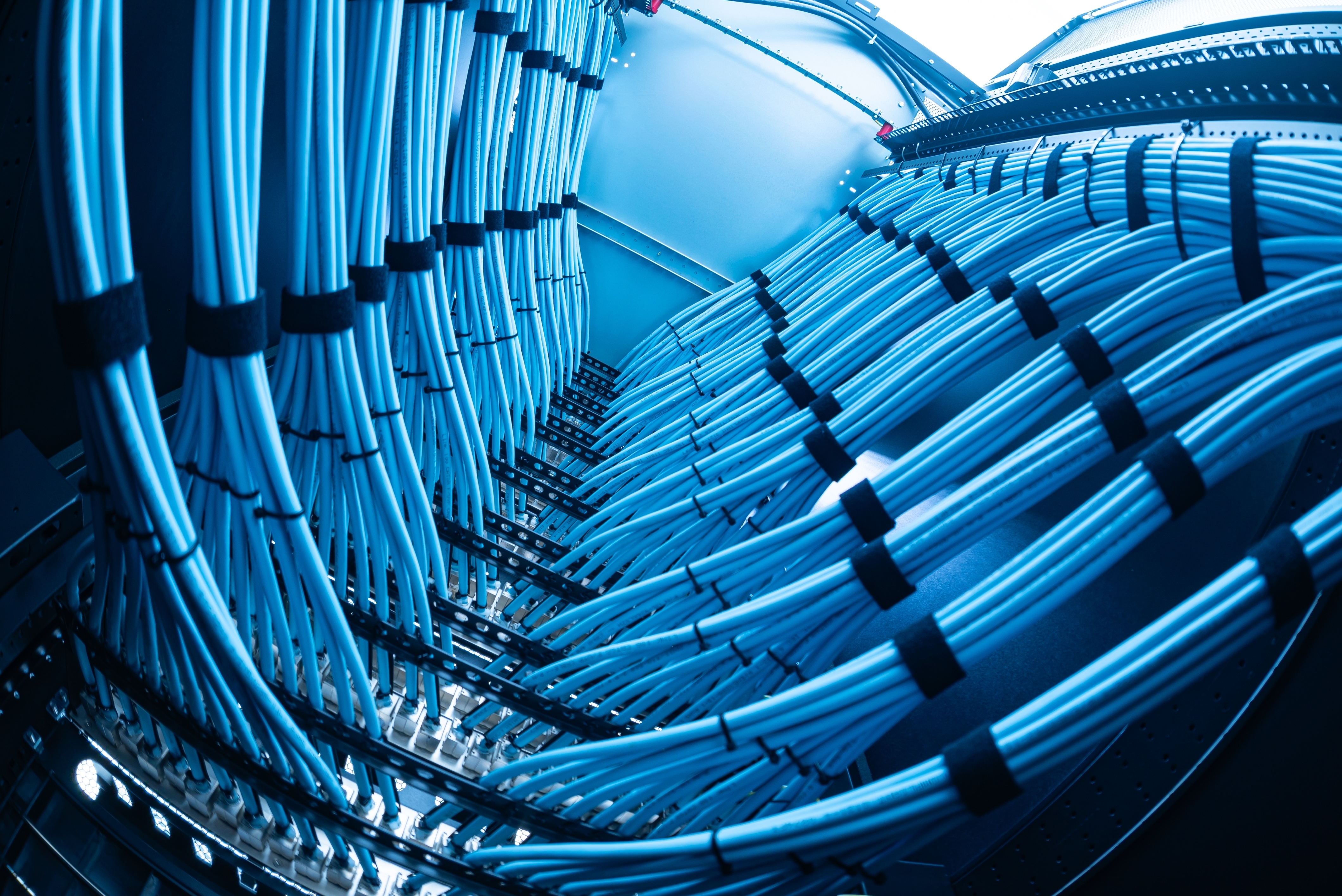
Cat7 and Cat7a are fully shielded cable standards designed for very high performance. Cat7 supports up to 600 MHz and Cat7a up to 1000 MHz. In Australia, they are far less common, not usually required for standard Ethernet installations, and primarily reserved for specialist environments such as data centres and industrial installations.

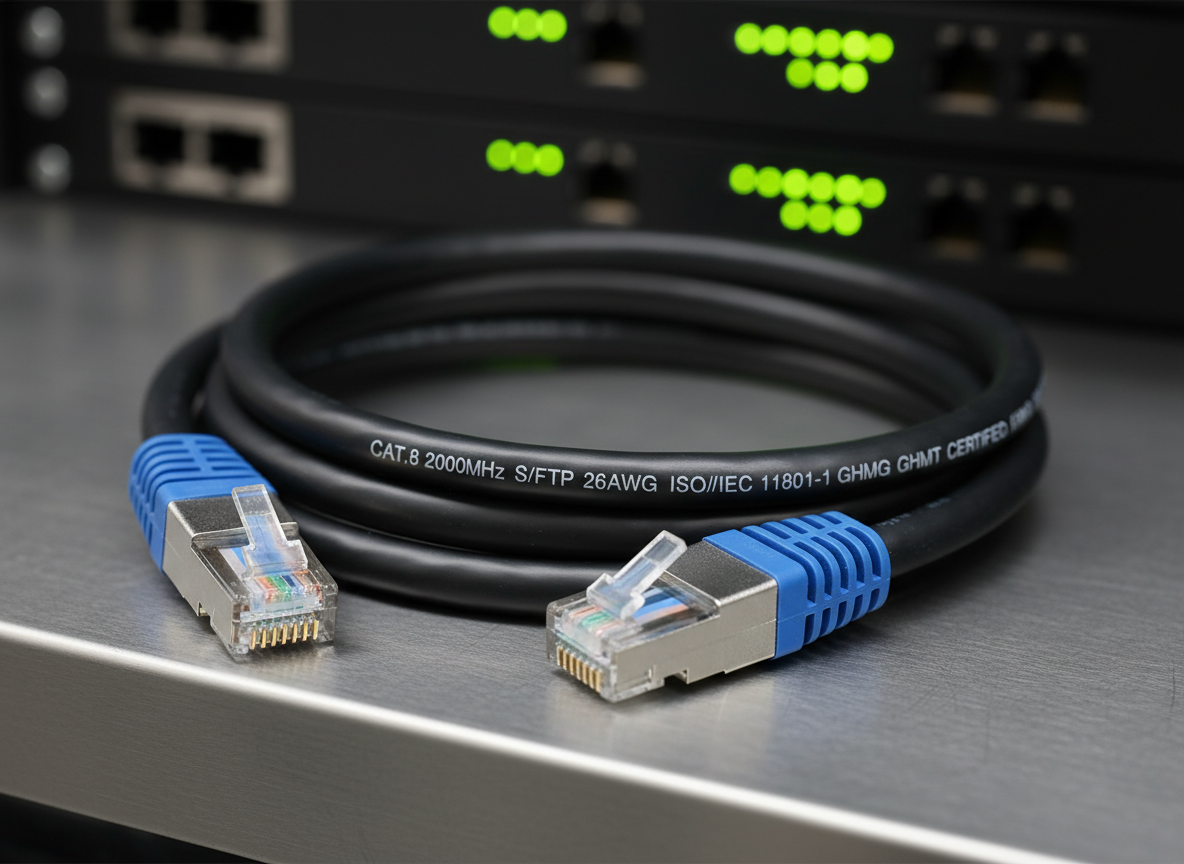
Cat8 is the newest mainstream Ethernet standard. It supports data rates of 25 Gbps and 40 Gbps, but only over short distances of up to 30 metres. Cat8 is designed specifically for rack-to-rack connections rather than building-wide cabling.
Why is Ethernet cabling used for long distances?
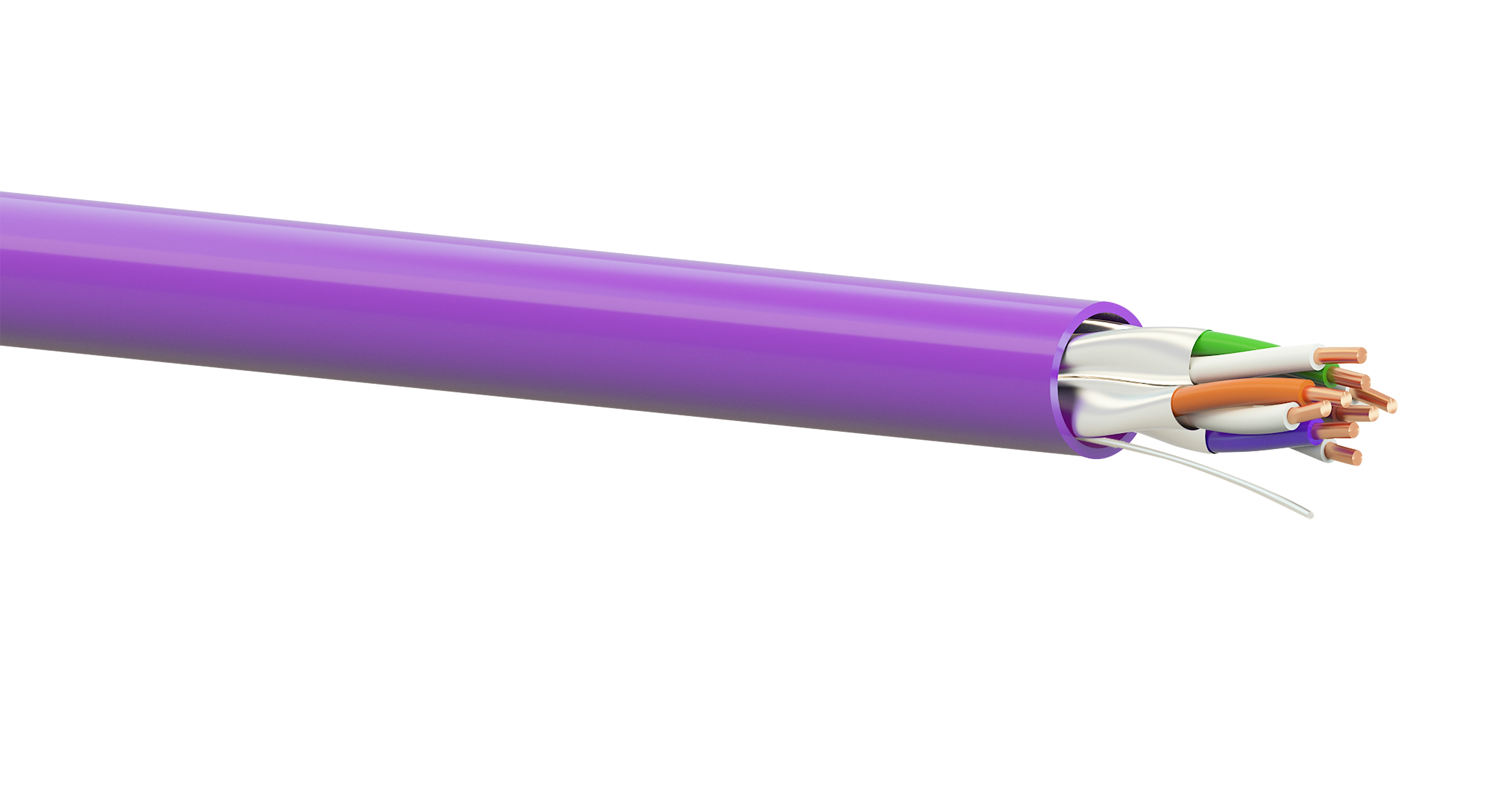
The reason an RJ45 cable works so well over long distances comes down to its construction. Inside the cable are four twisted pairs of copper wires. Each pair carries the same signal in opposite polarity. When electrical noise affects the cable, it impacts both wires equally, allowing the noise to cancel itself out.
Different twist rates between each pair further reduce interference, which results in reliable data transmission with very low error rates, even over long cable runs. This reliability is why Ethernet cable is widely used beyond traditional networking.
Uses of Ethernet Cables Beyond Networking
Media extenders commonly use Cat5e or Cat6 cable to carry signals much further than standard cables allow. VGA and audio signals can be sent up to 300 metres, optical or coax audio such as TOSLINK can reach up to 200 metres, with HDMI (including 4K) up to around 50 metres, depending on cable quality and the extender used.
Many of these extenders also support IR pass-through, allowing remote controls to work even when equipment is located in another room, shed, workshop, or granny flat.
Ethernet cable is also central to modern security and surveillance systems. Network video recorders use Ethernet to connect IP cameras, and cameras that support Power over Ethernet do not require a separate power supply. A single cable can deliver both power and data, simplifying installation and improving reliability.
Fire Ratings and Compliance in Australia
In Australia, any Ethernet cable installed inside buildings must comply with local safety standards, including AS/NZS 1660.5.6. Fire rating is a critical consideration for commercial and multi-dwelling installations.
Common fire ratings include: CMR, which is suitable for vertical cable runs between floors, CMP, which is required for in air-handling spaces such as ceiling plenums, and LSZH (Low Smoke Zero Halogen). LSZH cable is widely specified in Australia because it produces minimal smoke and no halogen gases in the event of a fire, improving visibility and reducing toxicity during evacuation.
Ethernet cable has become the backbone of modern data and signal transmission. Its ability to deliver speed, distance, low interference, and even power through a single ethernet lead makes it one of the most versatile wiring solutions available today, well beyond simply connecting computers.